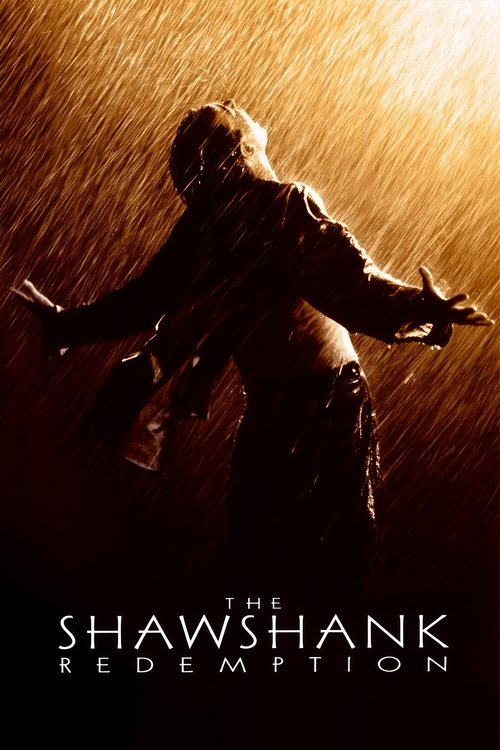
The Shawshank Redemption
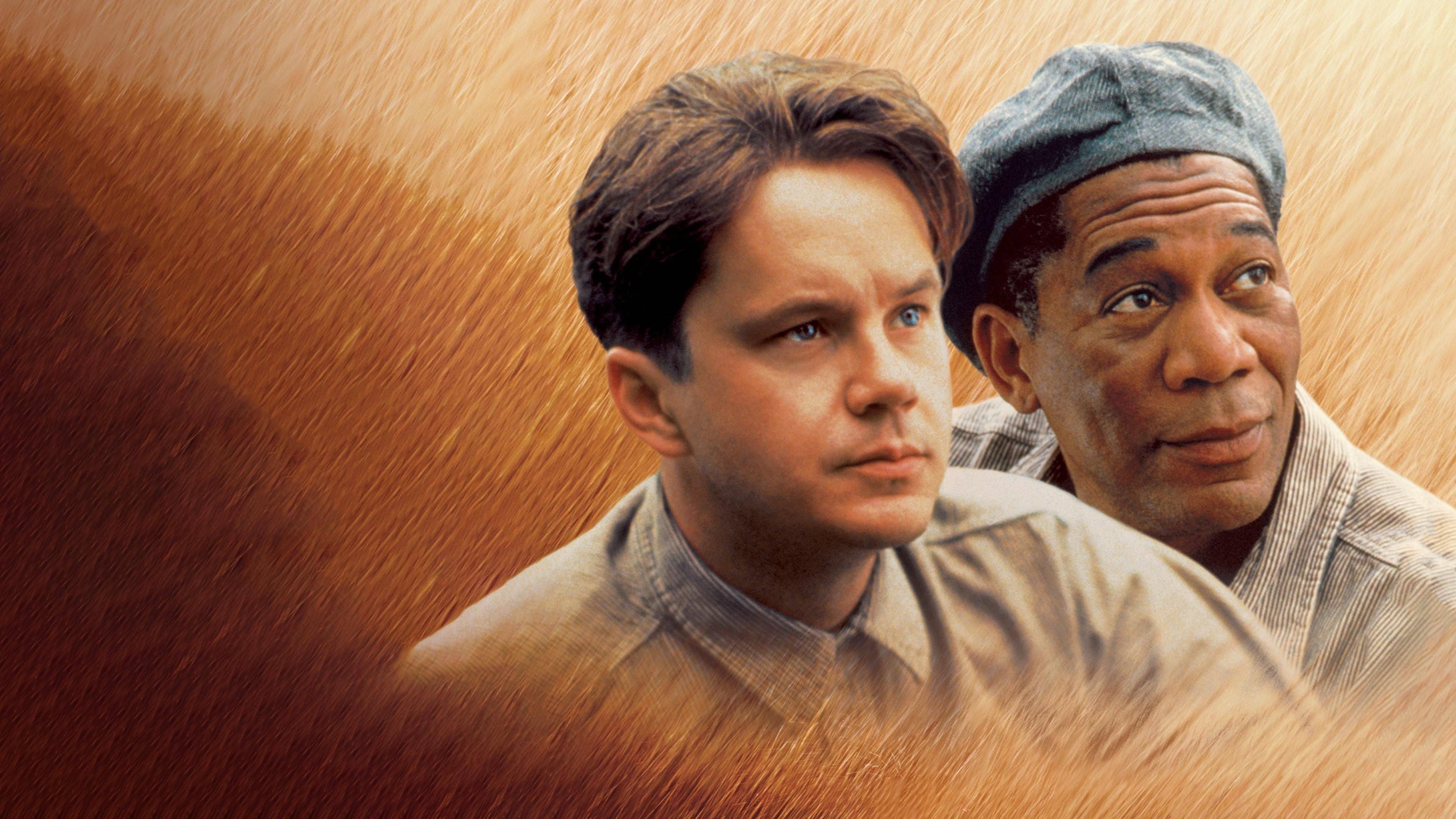
Imprisoned in the 1940s for the double murder of his wife and her lover, upstanding banker Andy Dufresne begins a new life at the Shawshank prison, where he puts his accounting skills to work for an amoral warden. During his long stretch in prison, Dufresne comes to be admired by the other inmates — including an older prisoner named Red — for his integrity and unquenchable sense of hope.











Where to watch


Drama Serie Review
It is a rare feat for a film to be universally embraced as a masterpiece despite failing to ignite the box office upon its initial release. Yet, Frank Darabont’s *The Shawshank Redemption* has achieved a near-mythic status in the decades since 1994. While many prison dramas lean into the visceral brutality of incarceration, Darabont utilizes the claustrophobic walls of Shawshank as a crucible for testing the resilience of the human spirit.
The film’s greatest strength lies in its patient narrative structure. Spanning nearly two decades, the story avoids the frantic pacing of modern thrillers, opting instead for a soulful exploration of institutionalization. Tim Robbins delivers a masterclass in understated acting; his Andy Dufresne is an enigma of quiet defiance, using his background as a banker not just to survive, but to manipulate the corrupt system led by the amoral Warden Norton. However, it is Morgan Freeman’s Red who provides the emotional heartbeat. His gravelly narration serves as more than just a plot device; it is a philosophical meditation on the danger of hope in a place designed to kill it.
From a critical standpoint, the film is not without its indulgences. At 142 minutes, the middle act occasionally meanders, and the secondary characters, while memorable, often border on archetypes of the "noble convict." The moral landscape is also painted in somewhat binary colors; the antagonists, particularly the sadistic Captain Hadley, are so cartoonishly villainous that they lack the psychological complexity found in the protagonists. This occasionally veers into sentimentality, threatening to turn a gritty crime drama into a modern fairy tale.
Despite these minor lapses into idealism, the artistic merit of the film is undeniable. The cinematography captures the cold, grey oppressive nature of the prison, making the eventual shifts in lighting and color feel earned. *The Shawshank Redemption* is a profound study of friendship and the enduring power of dignity. It remains a mandatory watch for anyone who believes that the mind can remain free even when the body is caged. An essential, if slightly polished, cinematic experience.