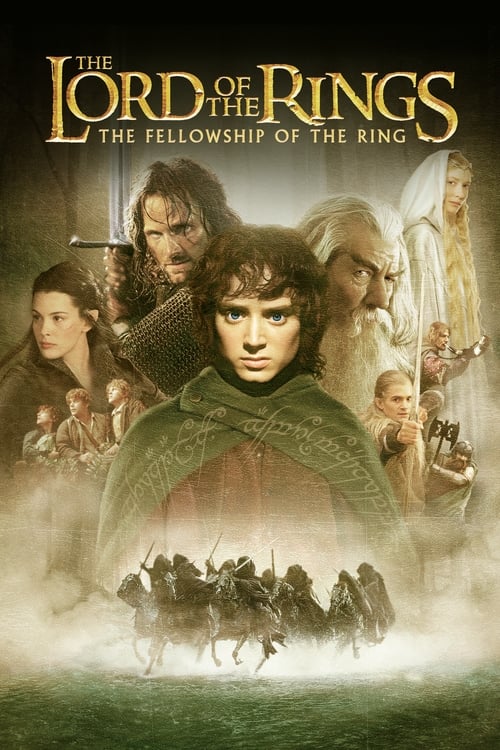
The Lord of the Rings: The Fellowship of the Ring
Young hobbit Frodo Baggins, after inheriting a mysterious ring from his uncle Bilbo, must leave his home in order to keep it from falling into the hands of its evil creator. Along the way, a fellowship is formed to protect the ringbearer and make sure that the ring arrives at its final destination: Mt. Doom, the only place where it can be destroyed.



Where to watch


Drama Serie Review
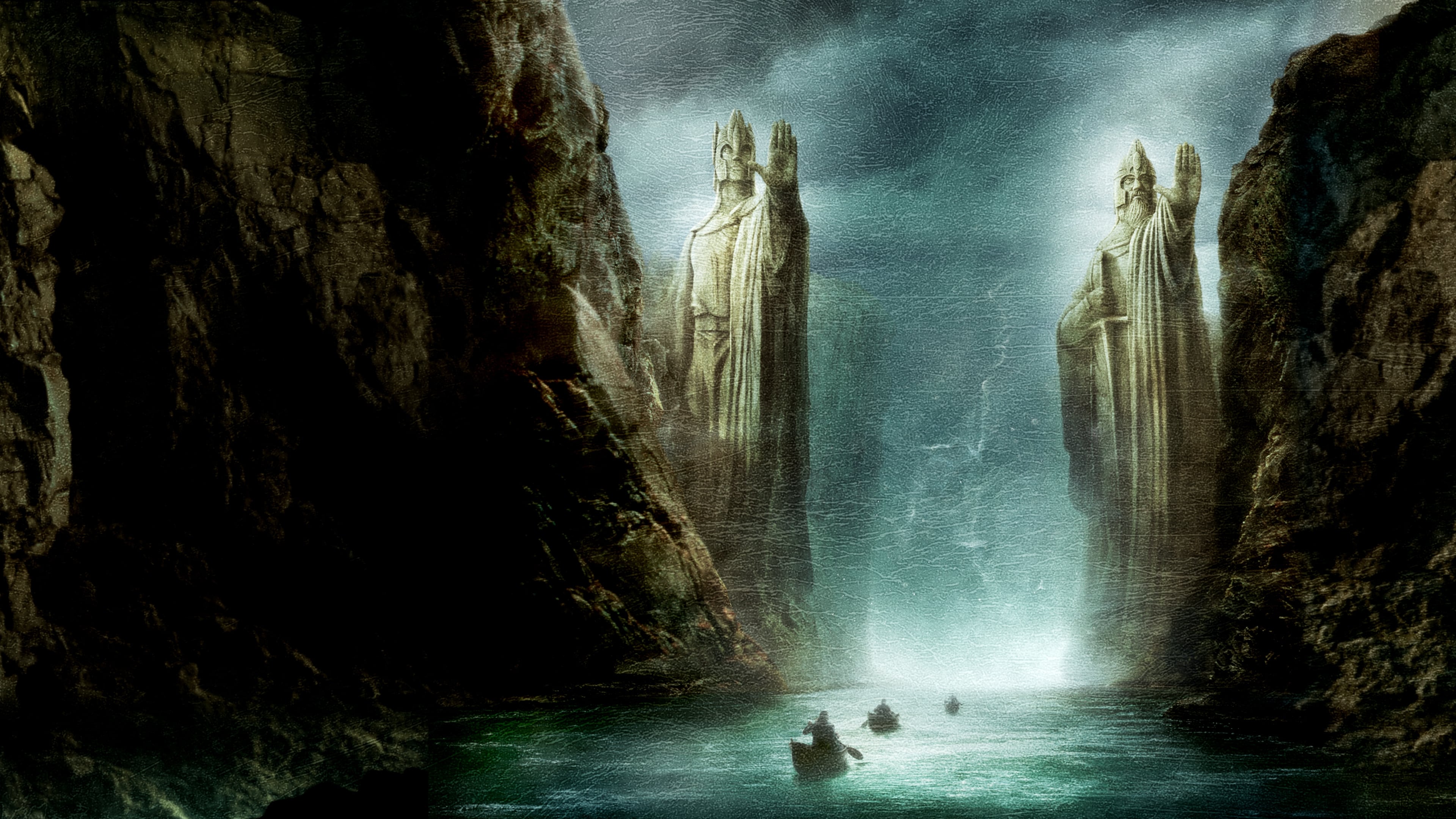
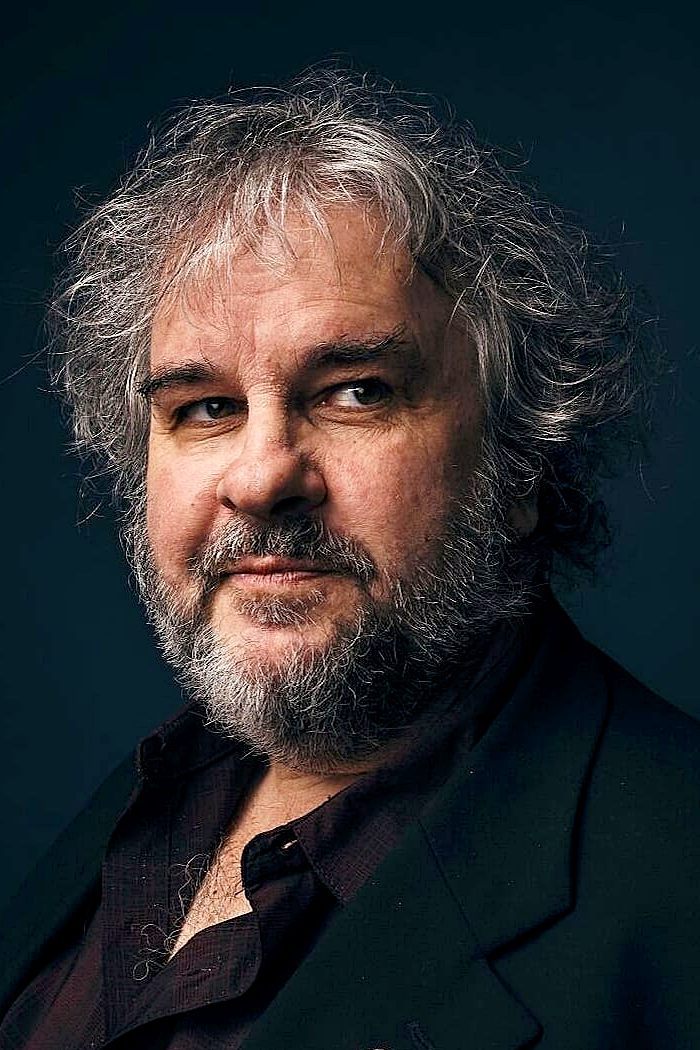
Peter Jackson’s 2001 adaptation of *The Fellowship of the Ring* didn't just revitalize the high-fantasy genre; it fundamentally re-engineered how Hollywood approaches world-building. At a time when "epic" was becoming a marketing buzzword, Jackson delivered a tactile, lived-in Middle-earth that felt less like a soundstage and more like a historical document of a forgotten age.
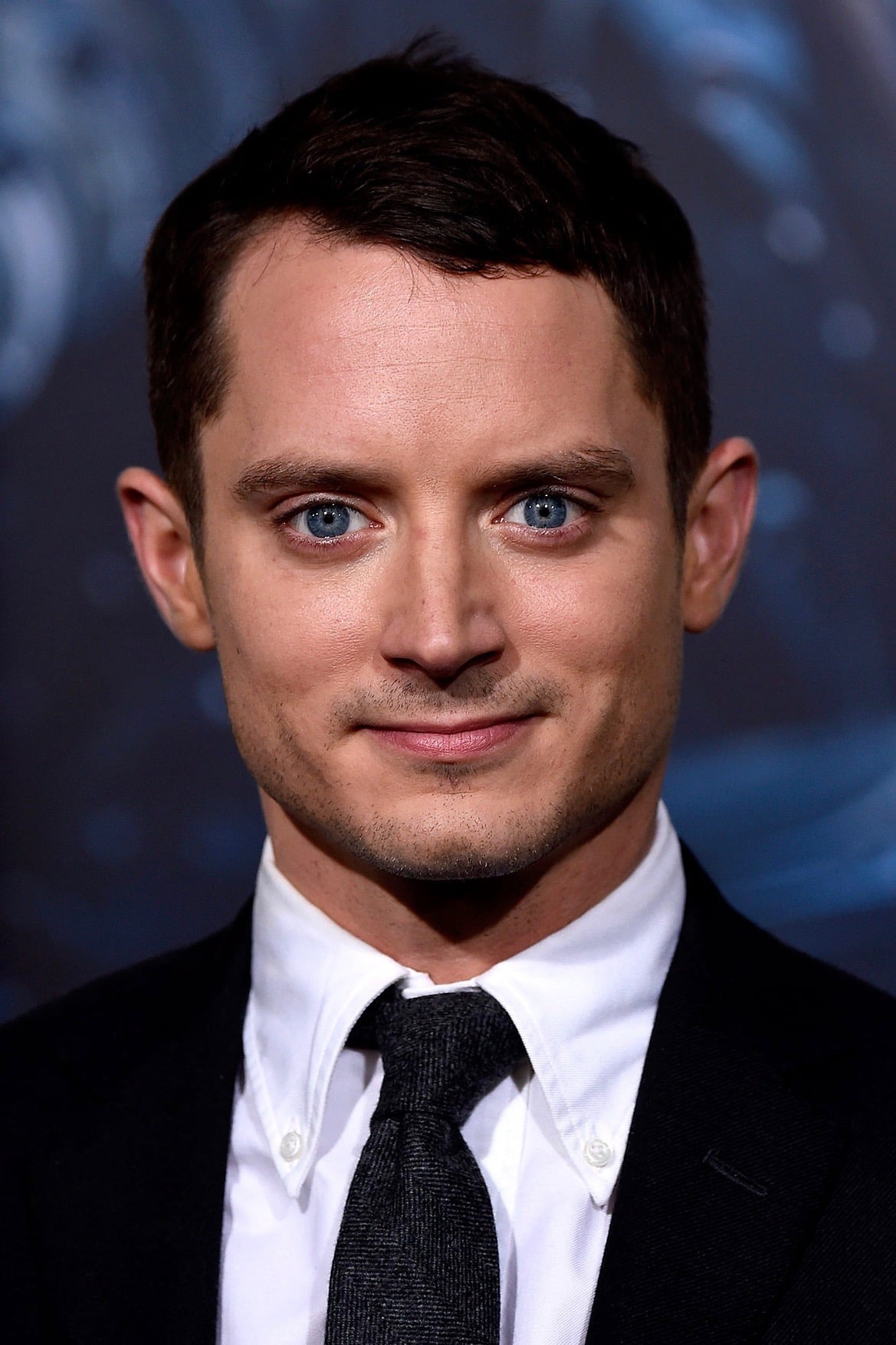
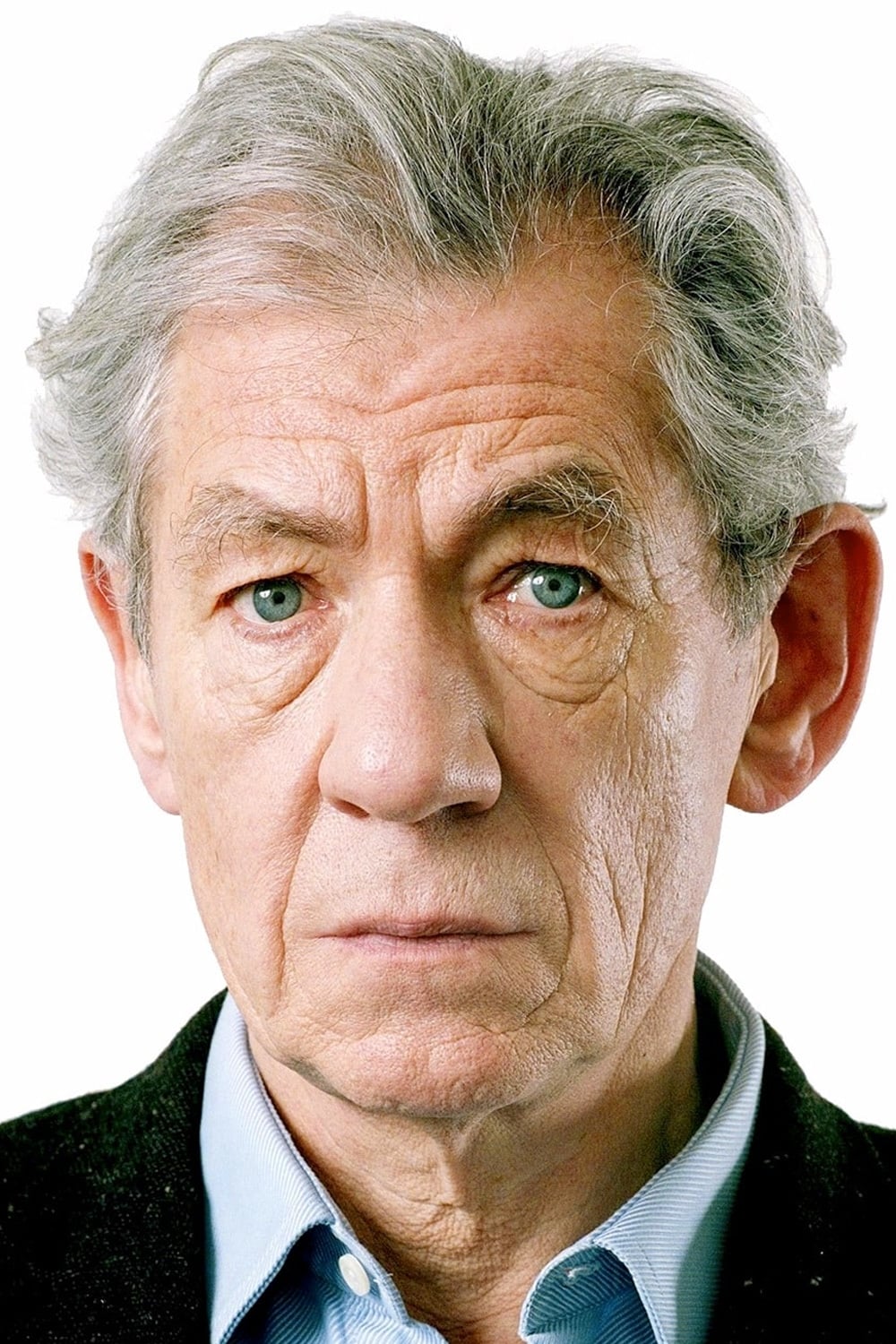
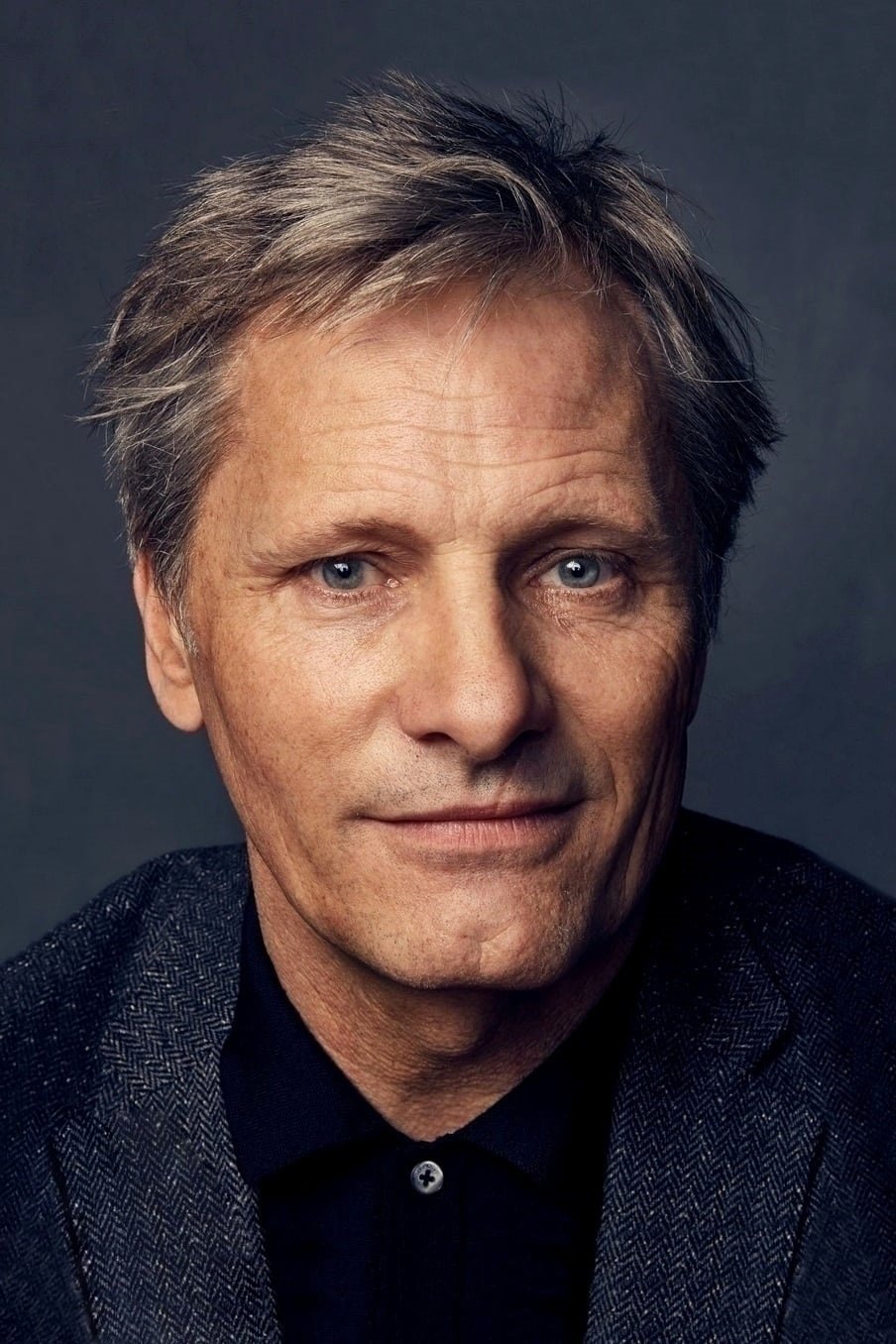
The film’s greatest strength lies in its tonal balance. Jackson masterfully pivots from the pastoral, whimsical comfort of the Shire to the claustrophobic terror of the Mines of Moria. This narrative elasticity is anchored by a cast that understands the gravity of the material. Ian McKellen’s Gandalf provides the necessary soulful weight, while Elijah Wood’s Frodo portrays a vulnerability that makes the stakes feel intensely personal rather than merely political. The chemistry within the Fellowship—particularly the brewing bromance between Aragorn (Viggo Mortensen) and the hobbits—gives the film a heartbeat that persists even through its most effects-heavy sequences.
However, the film is not without its structural burdens. At 179 minutes, the pacing occasionally stumbles under the weight of its own exposition. The prologue, while visually stunning, is a massive information dump that requires significant patience from uninitiated viewers. Furthermore, while the practical effects remain breathtaking, early 2000s CGI—specifically during some of the more frenetic action sequences in the mountains—has begun to show its age, occasionally pulling the viewer out of the otherwise seamless immersion. There is also the issue of the "multiple endings" syndrome; by the time the Fellowship actually breaks, the film has teased a climax several times, leading to a sense of exhaustion before the final credits roll.
Ultimately, these are minor gripes against a monumental achievement. Jackson’s direction is ambitious and reverent, proving that fantasy can be sophisticated and emotionally resonant. It is a rare blockbuster that values character beats as much as sword fights. For any cinephile, this remains an essential study in how to translate "unfilmable" literature into a cinematic landmark. Highly recommended for its sheer artistic audacity.