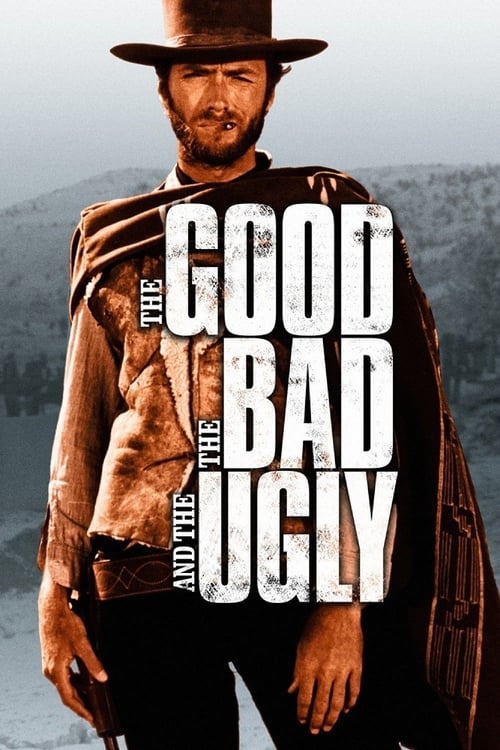
The Good, the Bad and the Ugly
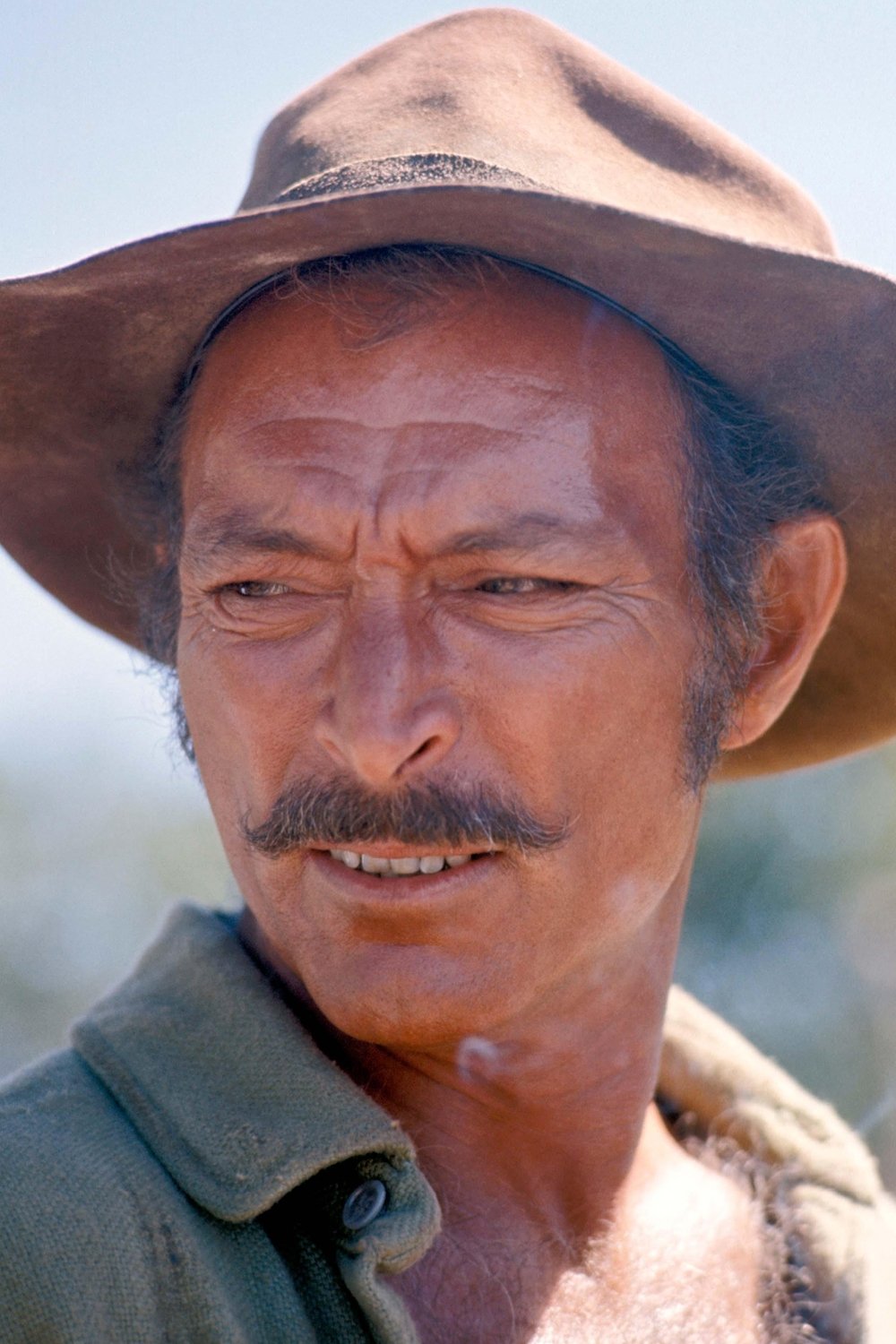
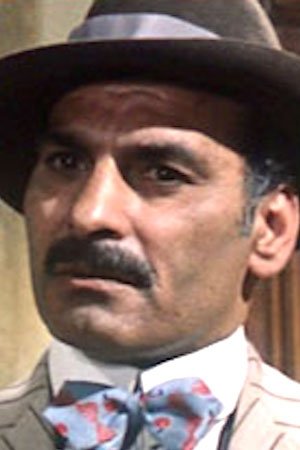
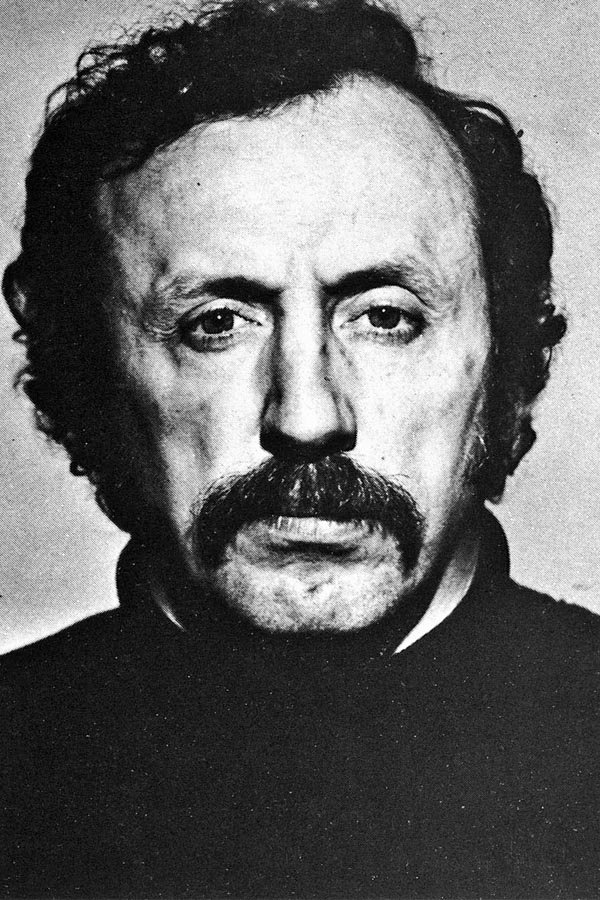
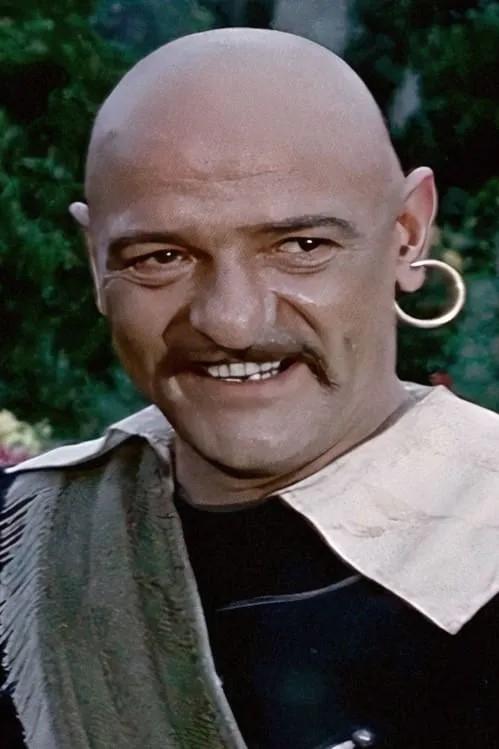
While the Civil War rages on between the Union and the Confederacy, three men – a quiet loner, a ruthless hitman, and a Mexican bandit – comb the American Southwest in search of a strongbox containing $200,000 in stolen gold.

Where to watch


Drama Serie Review
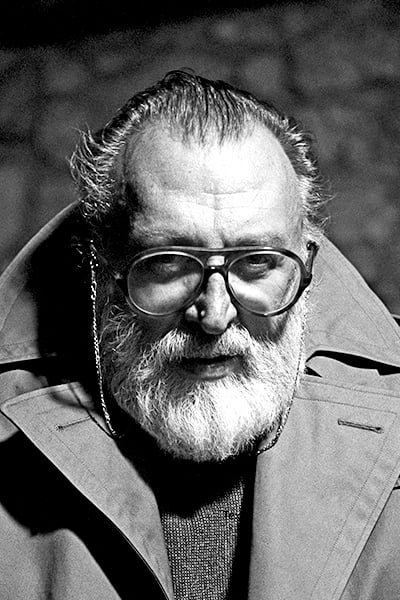
Sergio Leone’s *The Good, the Bad and the Ugly* is the definitive punctuation mark on the Spaghetti Western subgenre, a film that trades the moral clarity of traditional American frontier myths for a dusty, cynical, and operatic landscape. At 161 minutes, it is less a simple hunt for buried gold and more a sprawling odyssey through a nation tearing itself apart. By placing his three protagonists—the stoic Blondie, the sadistic Angel Eyes, and the manic Tuco—against the backdrop of the American Civil War, Leone elevates a pulp premise into a grand meditation on the futility of conflict.
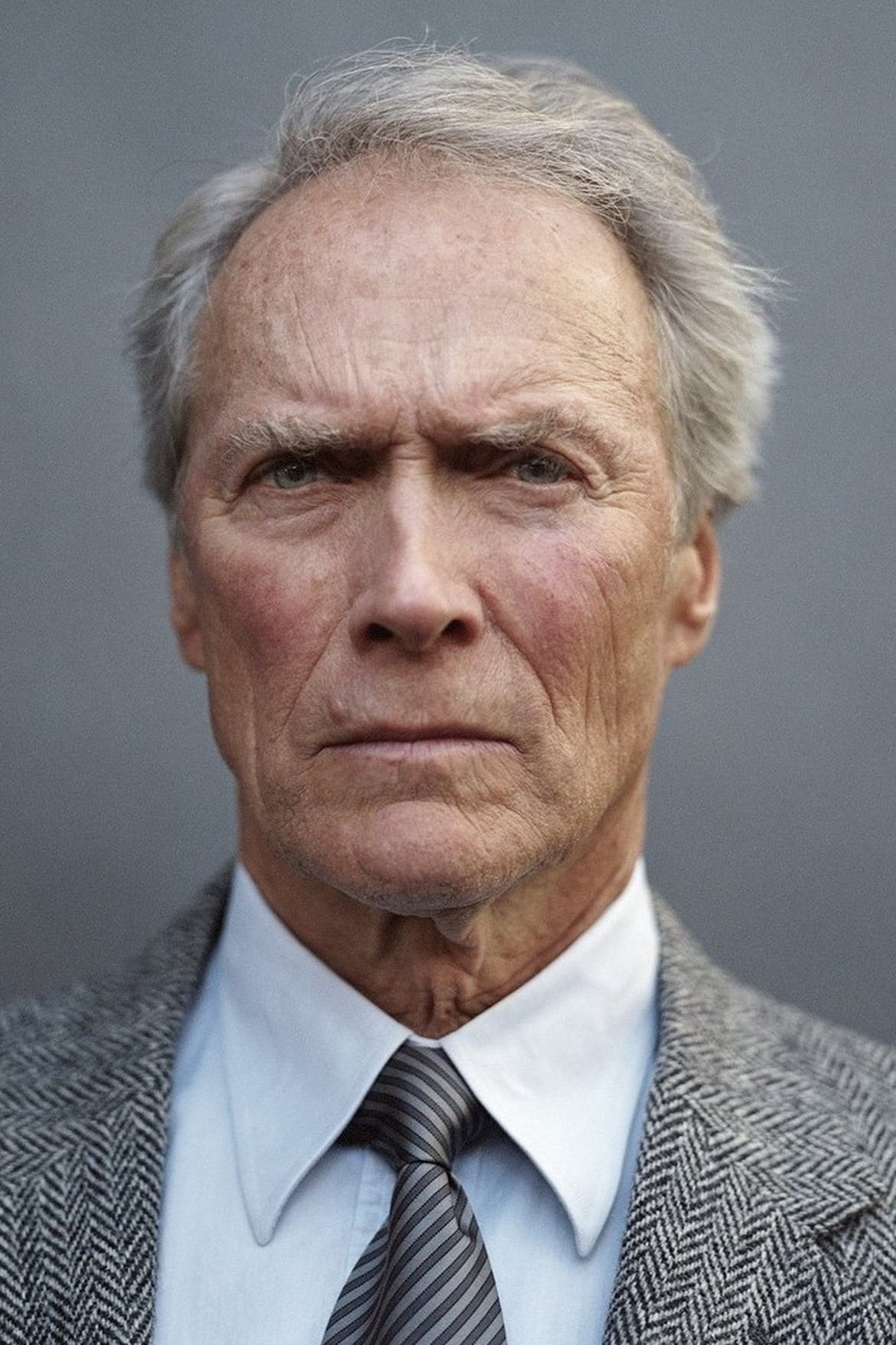
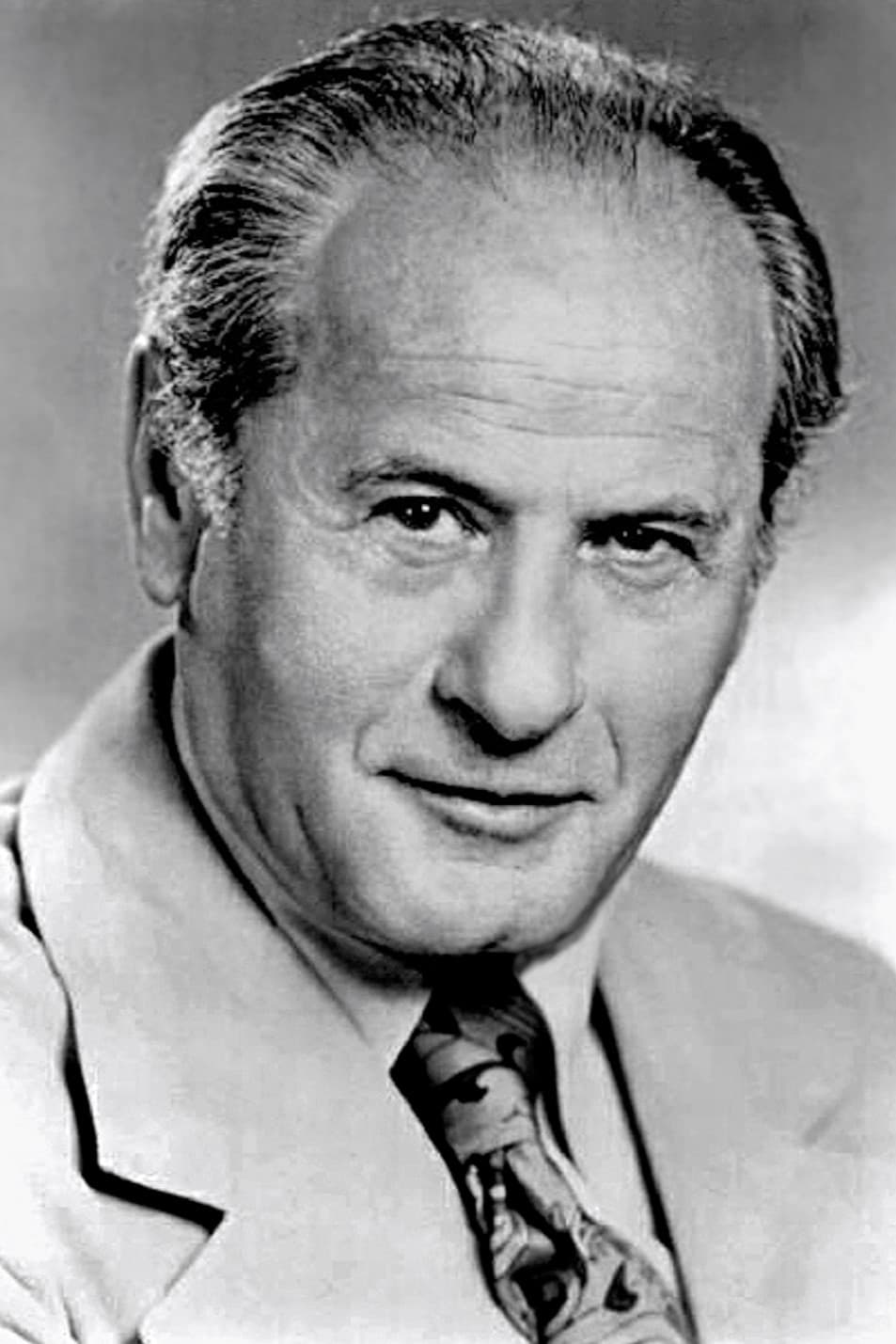
The film’s greatest strength lies in its visual and auditory synergy. Leone’s direction utilizes extreme close-ups that turn actors' faces into topographical maps of sweat and grit, contrasted against sweeping long shots that emphasize the isolation of the desert. Ennio Morricone’s score is arguably the most influential in cinema history; it doesn’t just accompany the action but dictates the very rhythm of the editing. Eli Wallach steals the show as Tuco, providing a frantic, desperate humanity that balances Clint Eastwood’s minimalist cool. The legendary three-way standoff at the Sad Hill Cemetery remains a masterclass in tension, using nothing but eyes, hands, and musical crescendos to create a visceral climax.
However, the film is not without its indulgences. The middle act, particularly the extended sequence involving the bridge explosion and the Union/Confederate skirmish, occasionally feels like a detour that pushes the runtime toward exhaustion. While these scenes provide historical weight, they momentarily stall the momentum of the primary hunt for the $200,000. Furthermore, the pacing reflects the "slow burn" style of the 1960s, which may test the patience of modern audiences accustomed to tighter narrative structures.
Ultimately, *The Good, the Bad and the Ugly* is a monumental achievement in style and atmosphere. It subverts the Western genre by suggesting that in a world of war and greed, "goodness" is merely a matter of degrees. It is essential viewing for anyone interested in the power of visual storytelling.