The Godfather
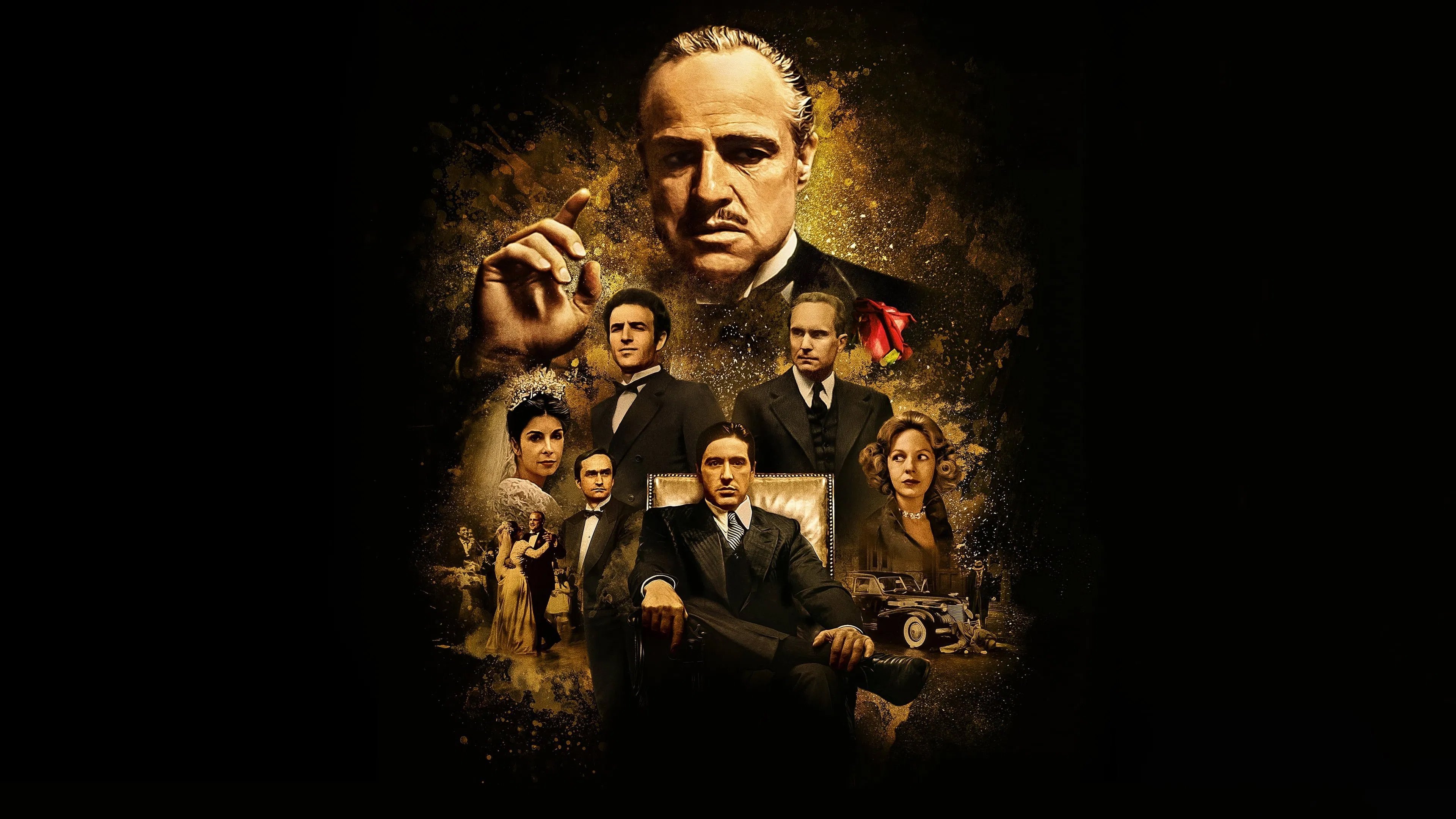
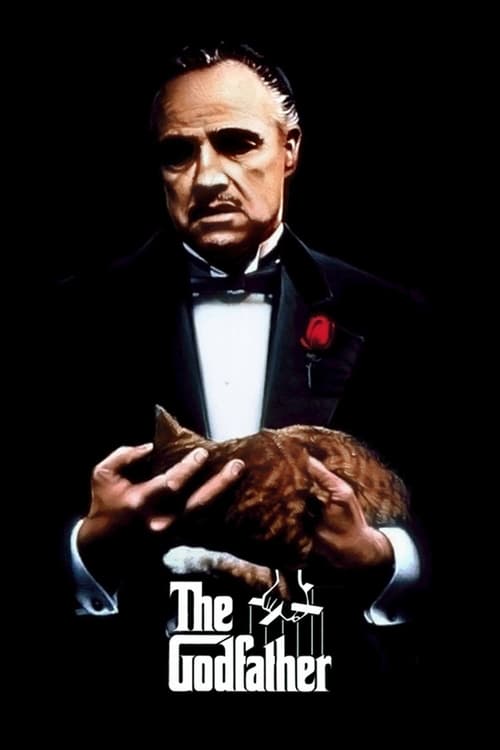
Spanning the years 1945 to 1955, a chronicle of the fictional Italian-American Corleone crime family. When organized crime family patriarch, Vito Corleone barely survives an attempt on his life, his youngest son, Michael steps in to take care of the would-be killers, launching a campaign of bloody revenge.





Where to watch


Drama Serie Review
Francis Ford Coppola’s *The Godfather* is less a traditional mob movie and more a Shakespearean tragedy dressed in the fine silks of 1940s Americana. While many crime dramas obsess over the mechanics of the heist or the thrill of the chase, Coppola pivots toward the domestic, framing the Corleone empire as a dark mirror of the American Dream. The film’s brilliance lies in its pacing; at 175 minutes, it demands a patience that rewards the viewer with a profound sense of historical and emotional weight.
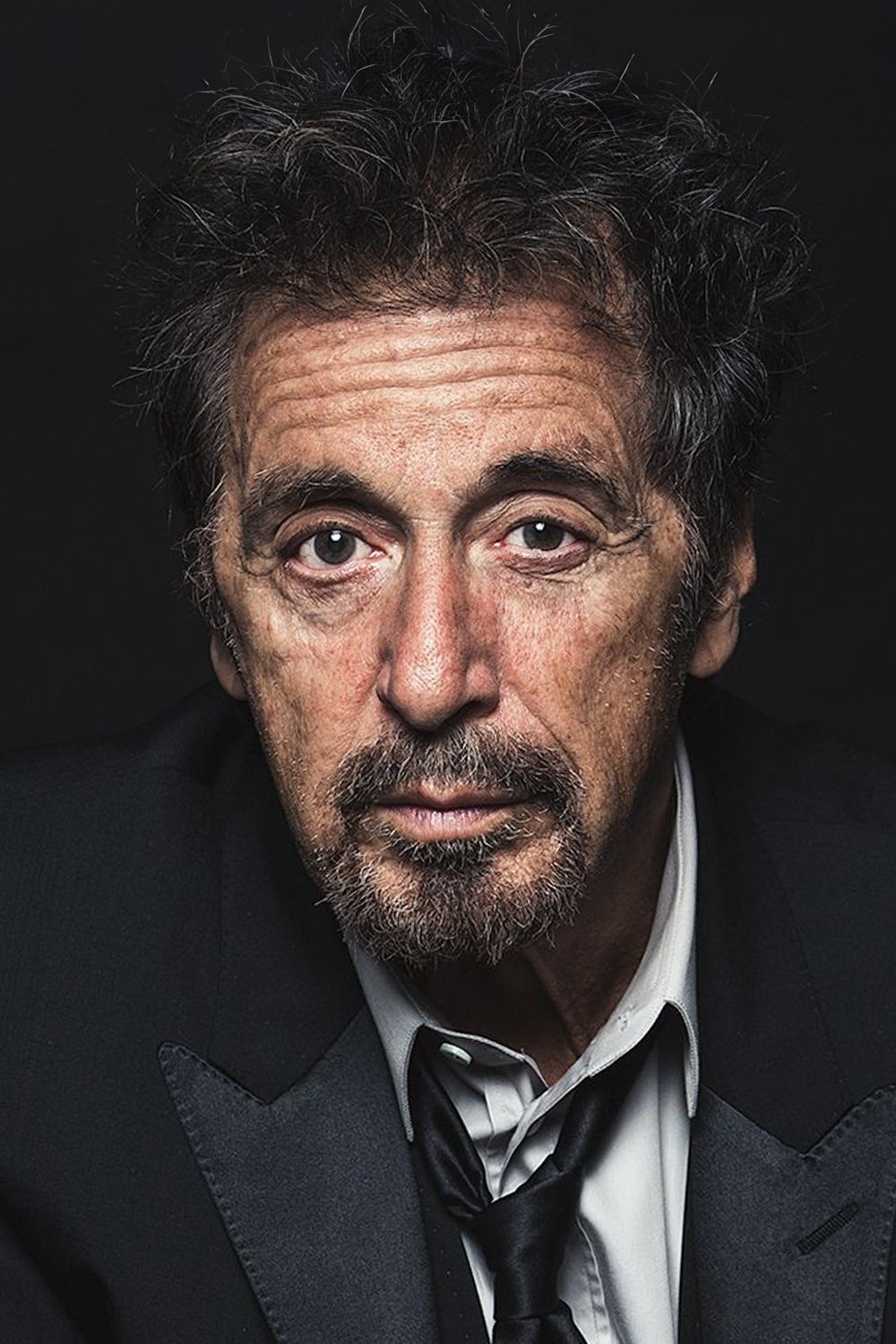
The narrative arc of Michael Corleone, played with chilling calculation by Al Pacino, remains one of cinema’s most effective character studies. His descent from a decorated war hero to a cold-blooded tactician is handled with surgical precision. Marlon Brando’s Vito provides the necessary gravity, anchoring the film’s moral complexity. He isn't a cartoonish villain, but a patriarch whose violence is born of a distorted sense of duty. The juxtaposition of the baptismal rite with the systematic elimination of the family’s rivals remains a masterclass in cross-cutting, illustrating the dual nature of Michael’s soul.
However, the film is not without its aging pains. The pacing in the mid-section, particularly the extended Sicilian interlude, occasionally threatens to stall the momentum built in New York. While these scenes provide essential world-building, they can feel detached from the urgent power struggle occurring back home. Furthermore, the female characters, specifically Kay Adams and Connie Corleone, are often relegated to the periphery. While this accurately reflects the patriarchal constraints of the era and the subculture, it limits the emotional scope of the film, leaving the women as mere observers of a tragedy they are forced to endure.
Ultimately, *The Godfather* earns its 8.7/10 rating by elevating a pulp novel into a cultural touchstone. Its flaws are minor when compared to its visual composition and thematic depth. It is a mandatory viewing experience that challenges the audience to consider the high cost of loyalty and the corrosive nature of absolute power.