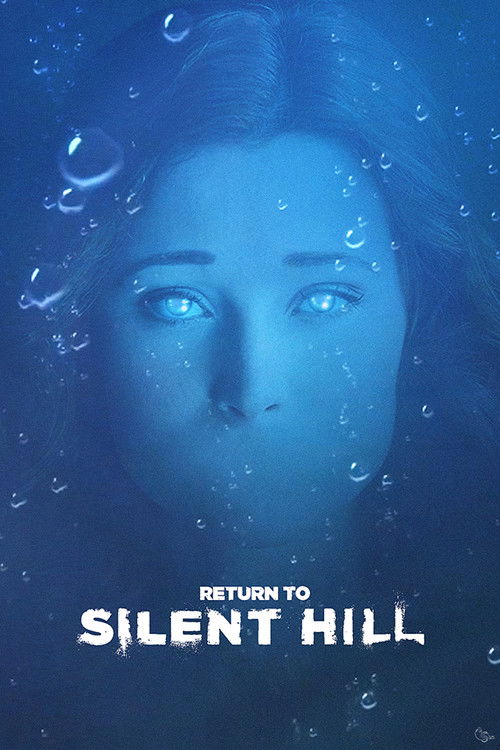
Return to Silent Hill
When James receives a mysterious letter from his lost love Mary, he is drawn to Silent Hill—a once-familiar town now consumed by darkness. As he searches for her, James faces monstrous creatures and unravels a terrifying truth that will push him to the edge of his sanity.









Where to watch


Drama Serie Review
Twenty years after his initial foray into Fog World, Christophe Gans returns to the town that defined cinematic survival horror with *Return to Silent Hill*. This 2026 adaptation of the legendary *Silent Hill 2* narrative attempts to bridge the gap between psychological drama and visceral creature features, but the result is a beautifully rendered nightmare that occasionally forgets to pack its emotional core.
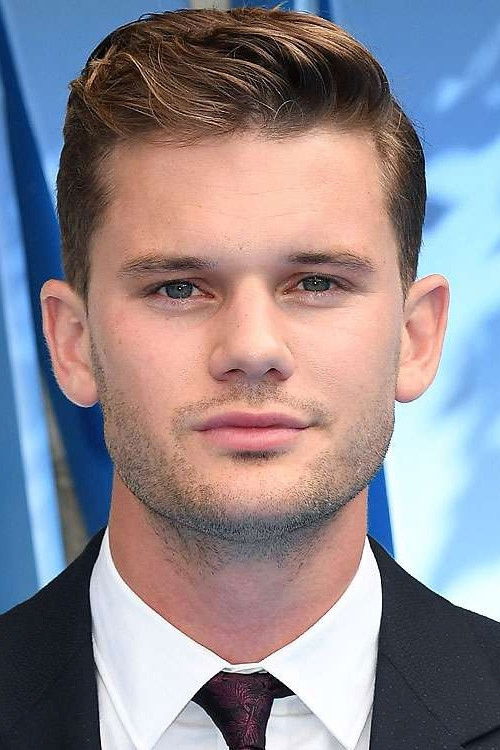
Visually, Gans remains a master of atmosphere. The 106-minute runtime is a masterclass in production design, utilizing the 2026 technical toolkit to create a town that feels truly subterranean and decaying. The transition between the foggy streets and the "Otherworld" is seamless, avoiding the dated CGI tropes of the past. Jeremy Irvine delivers a commendable, sweat-soaked performance as James, capturing the frantic desperation of a man chasing a ghost. His chemistry with the elusive Mary (Hannah Emily Anderson) provides the film with its few moments of genuine tenderness amidst the carnage.
However, the film stumbles in its narrative pacing. By condensing a dense, symbolic journey into a standard feature length, the "mystery" elements feel rushed. The script often opts for overt exposition rather than letting the environmental storytelling breathe. While the creature designs—including a refreshed, terrifyingly tactile Pyramid Head portrayed by Robert Strange—are aesthetic triumphs, they sometimes feel like mandatory checkboxes rather than manifestations of James’s fractured psyche. The supporting cast, particularly Evie Templeton, adds layers of unease, but many of the town’s inhabitants feel like fleeting cameos rather than integral pieces of the puzzle.
Ultimately, *Return to Silent Hill* is a visually arresting experience that struggles to balance its high-art aspirations with its franchise obligations. It is a significant improvement over previous sequels, yet it lacks the haunting, slow-burn trauma that made the source material a masterpiece. For fans of the aesthetic, it’s a trip worth taking, but those seeking a deep, coherent psychological character study may find the fog a bit too thick to navigate. It’s a 5.1/10 that looks like a 9 but feels like a 4.