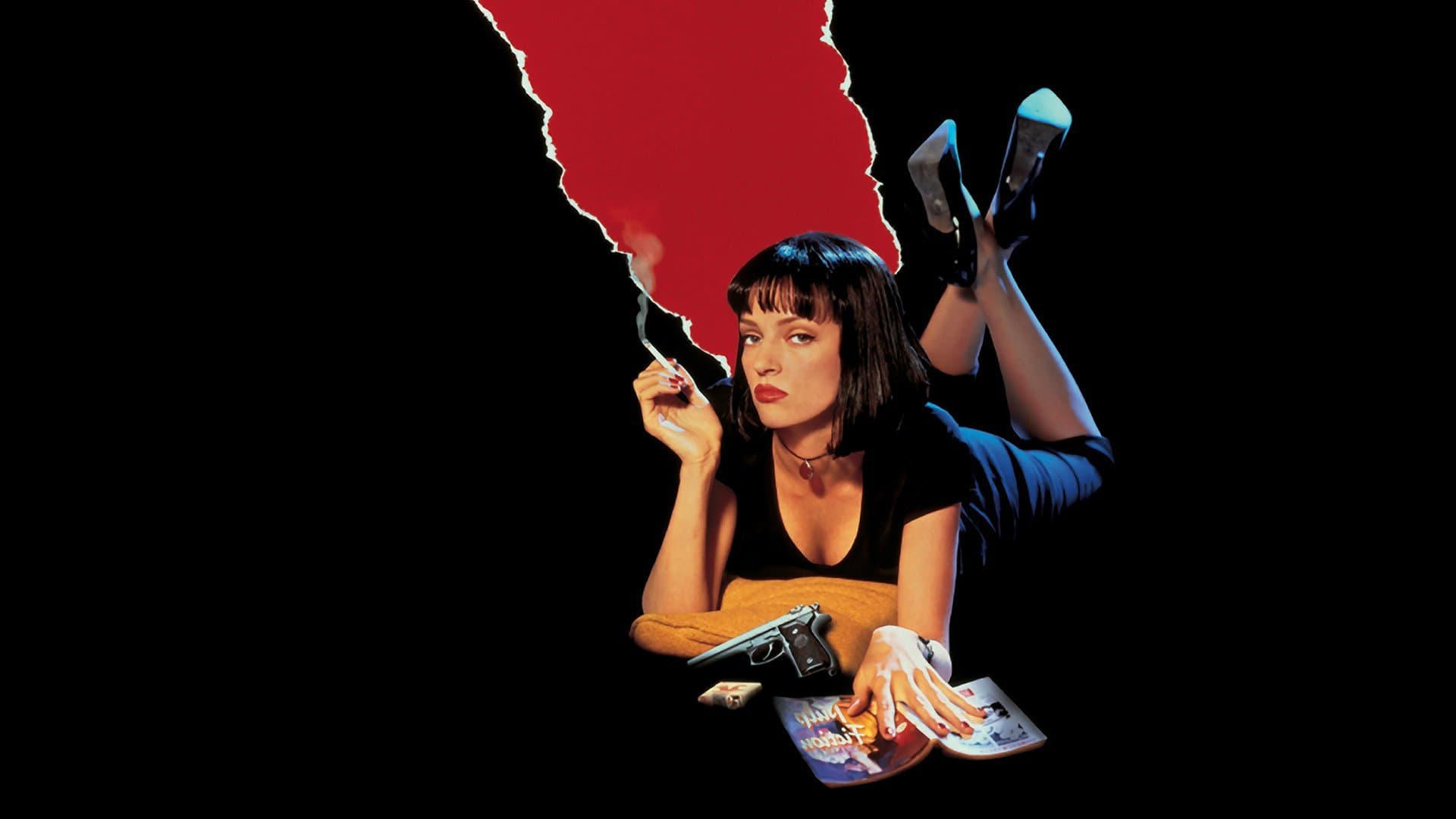
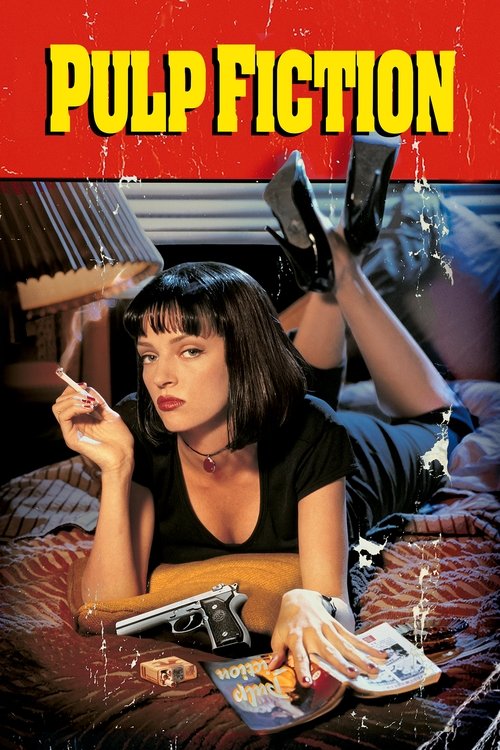
Pulp Fiction
A burger-loving hit man, his philosophical partner, a drug-addled gangster’s moll and a washed-up boxer converge in this sprawling, comedic crime caper. Their adventures unfurl in three stories that ingeniously trip back and forth in time.










Where to watch


Drama Serie Review
Quentin Tarantino’s *Pulp Fiction* didn't just break the rules of Hollywood storytelling; it set the rulebook on fire and danced in the ashes. Thirty years later, its influence remains so pervasive that it is easy to forget how radical its non-linear structure felt in 1994. By weaving three disparate tales of Los Angeles lowlifes into a chronological pretzel, Tarantino transformed a standard crime caper into a sprawling, philosophical tapestry where the mundane and the macabre collide over quarter-pounders with cheese.
The film’s greatest strength lies in its rhythmic, hyper-stylized dialogue. Samuel L. Jackson and John Travolta deliver career-defining performances as Jules and Vincent, hitmen who are as likely to debate the ethics of a foot massage as they are to execute a target. This juxtaposition of the banal and the brutal creates a surreal tension that keeps the audience off-balance. Tarantino’s direction is surgically precise, using long takes and a retro-cool aesthetic to elevate B-movie tropes into high art. The sequence involving Uma Thurman’s Mia Wallace and the adrenaline shot is a masterclass in visceral tension, perfectly balancing dark comedy with genuine stakes.
However, the film is not without its indulgences. At 154 minutes, the pacing occasionally stumbles, particularly during the middle act involving Bruce Willis’s Butch and his girlfriend, Fabienne. While Willis provides a necessary groundedness, their domestic interludes can feel sluggish compared to the electric energy of the opening and closing segments. Additionally, Tarantino’s penchant for self-aware "cool" can sometimes veer into gratuitous territory, particularly with his use of provocative language that serves more as a stylistic tic than a narrative necessity.
Ultimately, *Pulp Fiction* is a landmark of postmodern cinema. It succeeds because it treats its criminals with a strange sort of dignity, allowing them space to be human between the gunfights. While its circular narrative might frustrate those seeking a straightforward moral arc, its artistic merit is undeniable. It remains an essential, albeit bloody, exploration of fate, redemption, and the sheer power of a well-told story. If you can stomach the grit, it is a mandatory viewing experience.