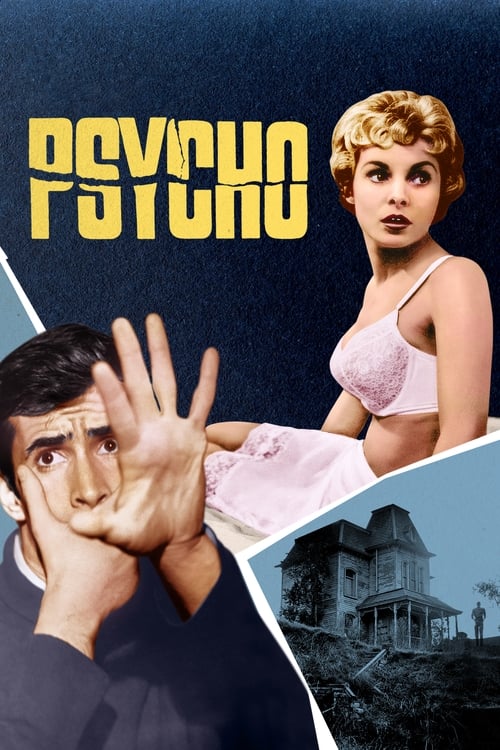
Psycho
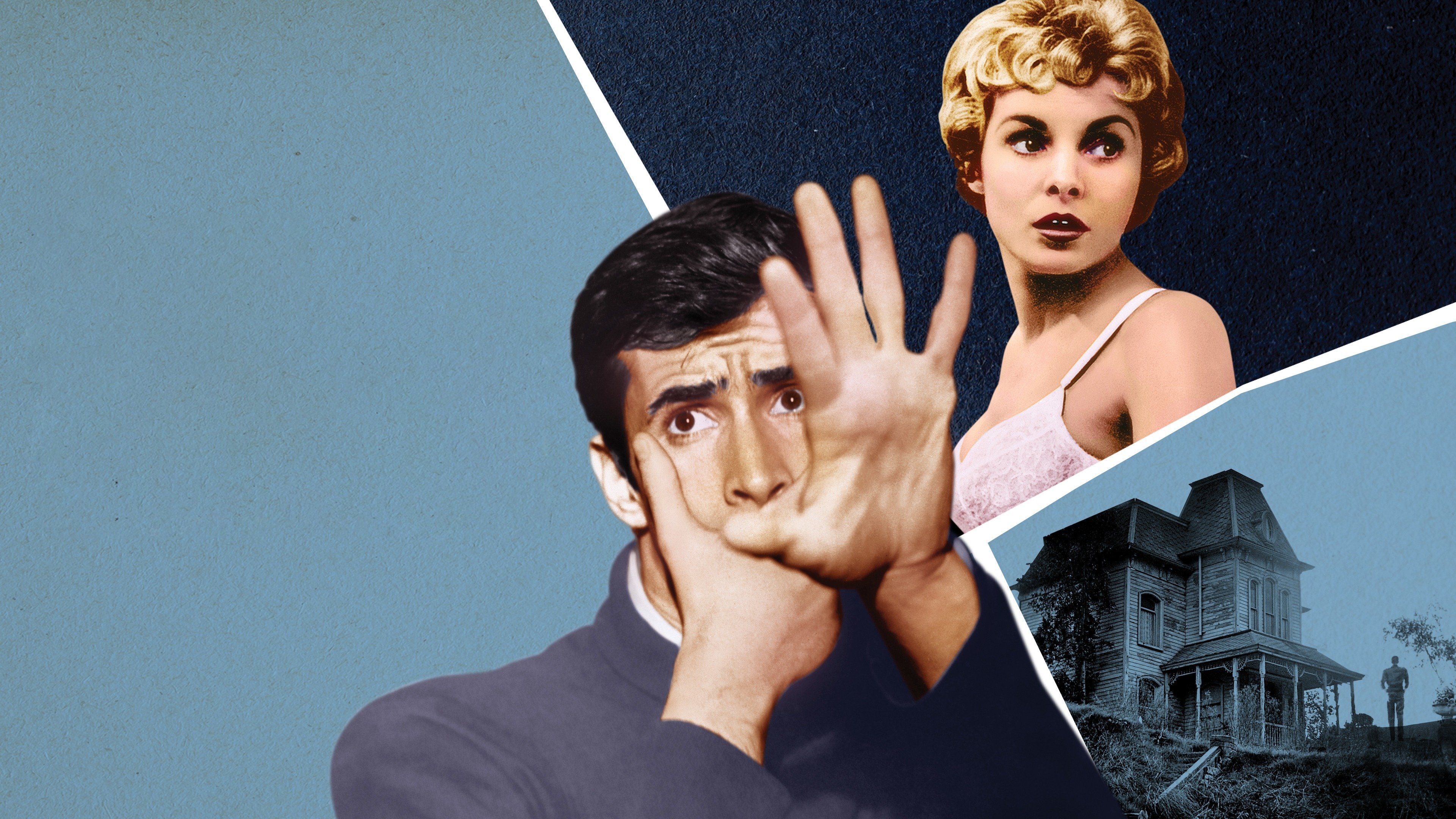
When larcenous real estate clerk Marion Crane goes on the lam with a wad of cash and hopes of starting a new life, she ends up at the notorious Bates Motel, where manager Norman Bates cares for his housebound mother.



Where to watch


Drama Serie Review
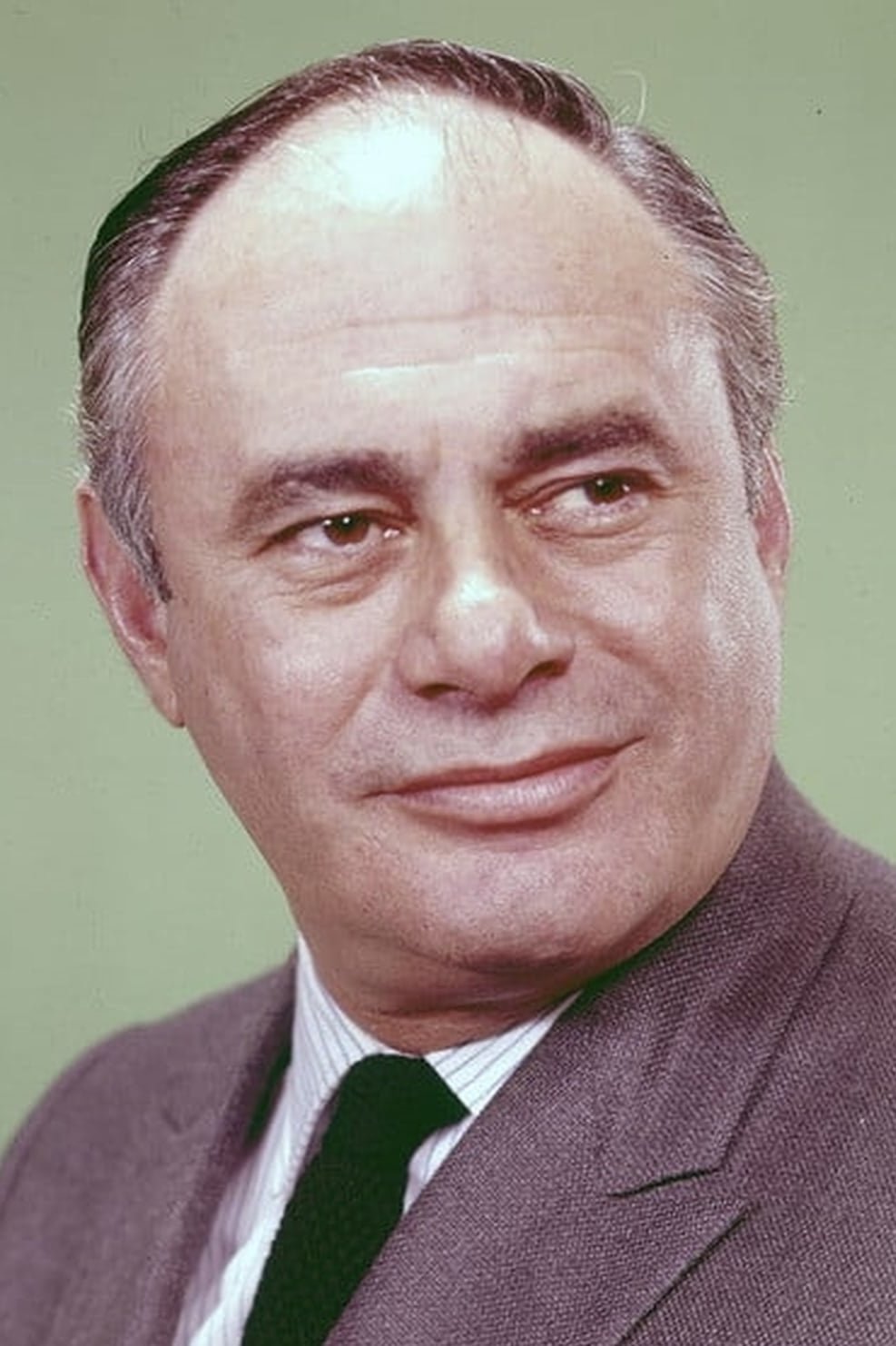
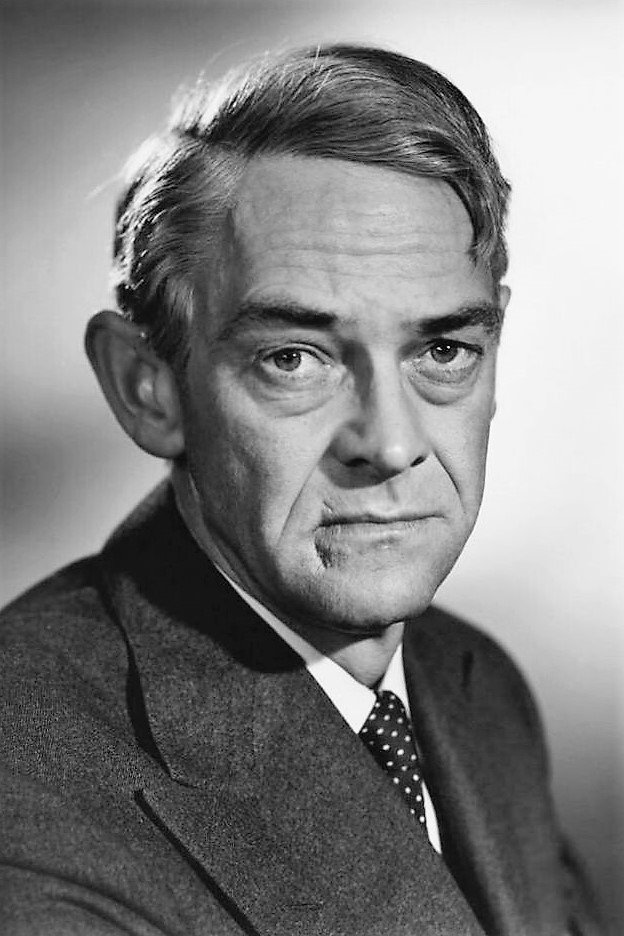
Alfred Hitchcock’s *Psycho* remains a masterclass in narrative misdirection, famously shattering the "rules" of cinema by disposing of its protagonist, Marion Crane, less than halfway through the runtime. This 109-minute descent into madness begins as a noir-inflected crime caper—driven by a desperate theft and a rainy getaway—before pivoting into a claustrophobic psychological nightmare. It is this structural audacity that defines the film’s legacy; Hitchcock forces the audience to switch their emotional investment from the fleeing Janet Leigh to the twitchy, seemingly sympathetic Norman Bates, played with chilling vulnerability by Anthony Perkins.
The film’s artistic merit lies in its economy of tension. Hitchcock utilizes the stark, high-contrast black-and-white cinematography to emphasize the gothic isolation of the Bates Motel. Perkins delivers a career-defining performance, layering Norman with a stuttering boyishness that masks a fractured psyche. The pacing is deliberate, allowing the mystery of "Mother" to fester in the viewer's mind while Vera Miles and John Gavin investigate the disappearance.
However, from a modern critical lens, the film is not without its rhythmic stumbles. While the shower sequence is a pinnacle of editing and Bernard Herrmann’s screeching score, the film’s final act suffers from a heavy-handed "explanatory" scene. The lengthy monologue by the psychiatrist in the closing minutes feels like a structural crutch, over-explaining the psychological nuances that Perkins had already successfully conveyed through subtext. This clinical breakdown slows the momentum built by the harrowing basement reveal and feels redundant by today’s storytelling standards.
Despite this minor narrative bloat at the finish line, *Psycho* is an essential pillar of the thriller genre. It challenged the censorship of its era and redefined the "slasher" framework before the subgenre even had a name. It is a haunting exploration of trauma and duality that remains deeply effective. Whether you are a horror aficionado or a student of film craft, this is a mandatory viewing experience that proves the most terrifying monsters are often the ones living right next door.