One Flew Over the Cuckoo’s Nest
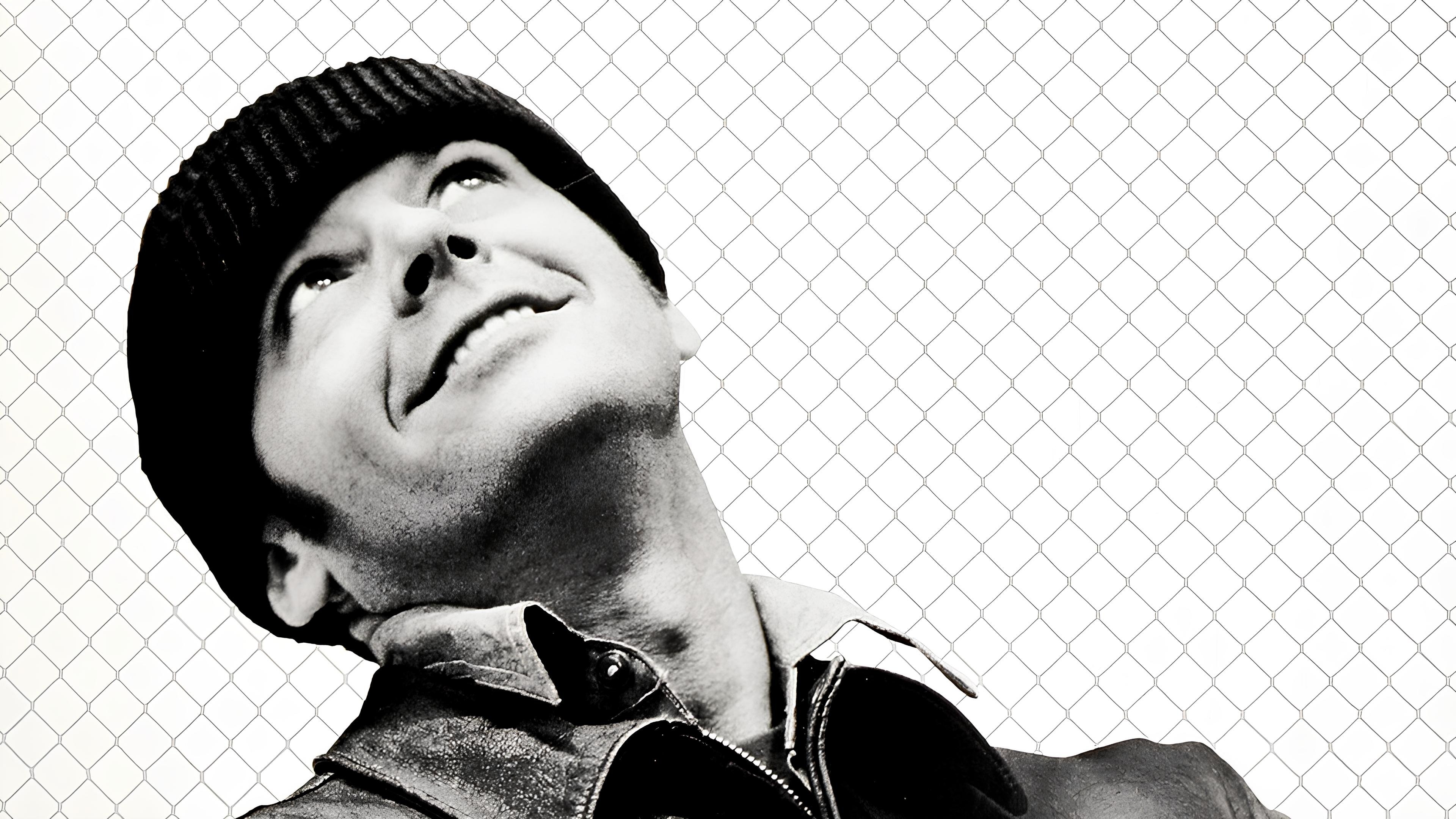
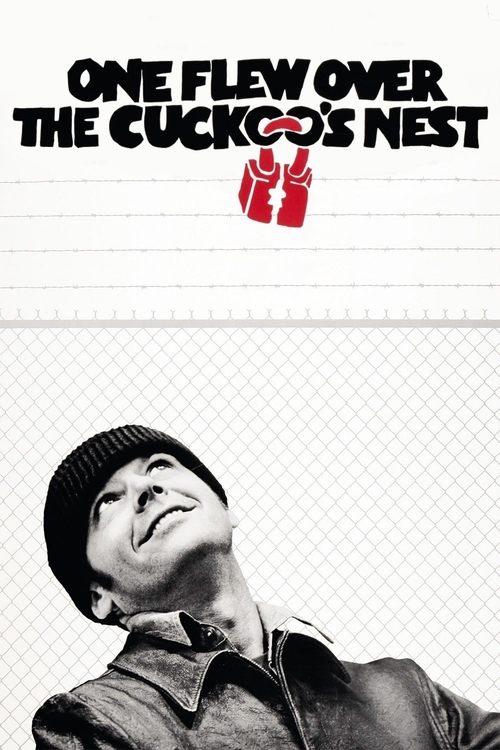
A petty criminal fakes insanity to serve his sentence in a mental ward rather than prison. He soon finds himself as a leader to the other patients—and an enemy to the cruel, domineering nurse who runs the ward.






Where to watch


Drama Serie Review
Miloš Forman’s 1975 masterpiece, *One Flew Over the Cuckoo’s Nest*, remains one of the most visceral explorations of institutional rot ever captured on celluloid. While many films tackle the concept of "the system," few manage to personify it as chillingly as this drama does through the sterile, quiet tyranny of Nurse Ratched. It is a film that functions simultaneously as a character study and a political allegory, asking whether "sanity" is merely a code word for "submission."
The film’s greatest strength lies in the electrifying friction between Jack Nicholson’s Randle McMurphy and Louise Fletcher’s Ratched. Nicholson delivers a performance of jagged, kinetic energy, representing the chaotic life force of the individual. In contrast, Fletcher is a masterclass in understated villainy; she doesn't scream, she simply observes, using bureaucracy as a weapon. The supporting cast—including early career turns from Danny DeVito and Christopher Lloyd—provides a heartbreaking humanity to the ward, ensuring the audience views the patients not as caricatures of mental illness, but as men who have been systematically broken by a society that prefers them sedated.
However, from a modern critical lens, the film’s narrative structure does occasionally lean into a simplistic "us versus them" dichotomy that borders on the misogynistic. By framing the only prominent female character as the ultimate vessel of emasculation and cruelty, the film skirts dangerously close to a one-dimensional trope. Furthermore, the pacing in the second act occasionally meanders, lingering perhaps too long on the ward’s daily routines at the expense of developing the deeper backstories of the secondary patients.
Despite these minor narrative imbalances, Forman’s direction is impeccable. He utilizes the confined setting to create a sense of mounting claustrophobia that makes the film’s tragic conclusion feel both inevitable and devastating. *One Flew Over the Cuckoo’s Nest* is essential viewing, not just for its technical brilliance, but for its haunting reminder that the most dangerous prisons are often the ones built on the pretense of "help." It is a raw, agonizing, and ultimately necessary piece of cinema.