Grave of the Fireflies
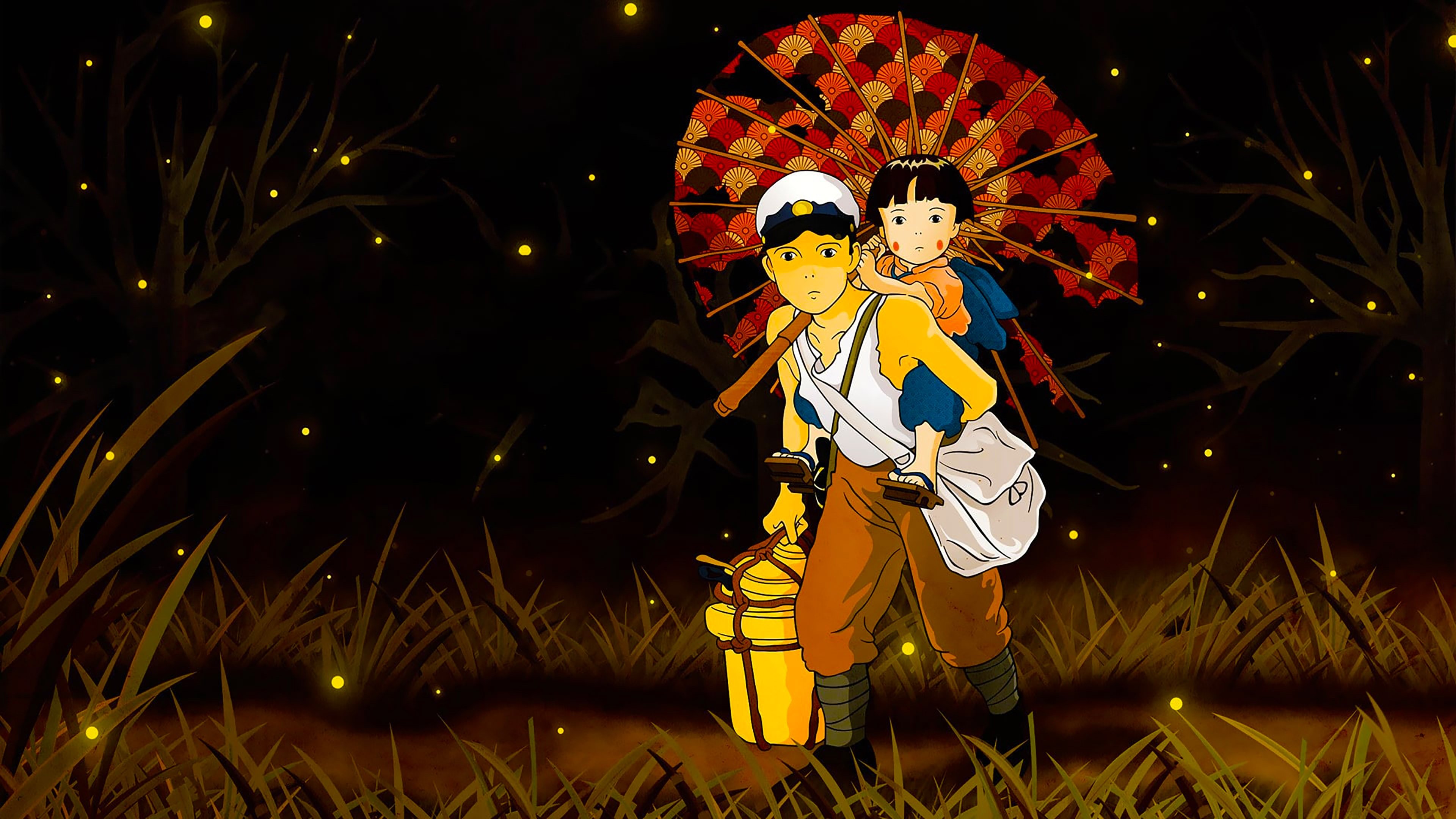
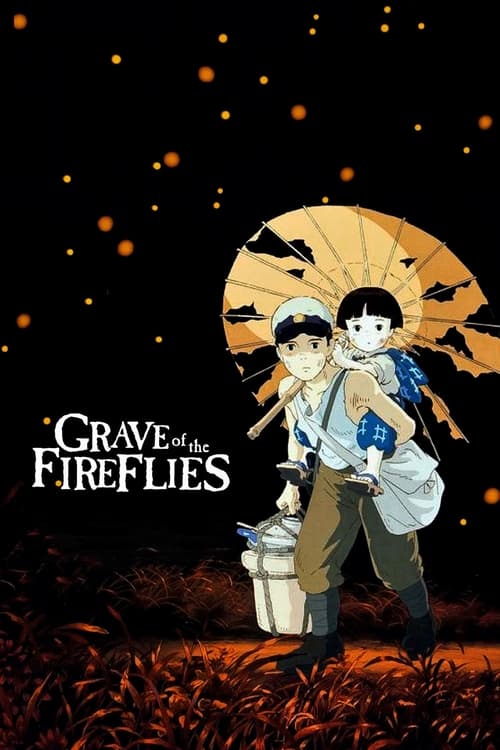
In the final months of World War II, 14-year-old Seita and his sister Setsuko are orphaned when their mother is killed during an air raid in Kobe, Japan. After a falling out with their aunt, they move into an abandoned bomb shelter. With no surviving relatives and their emergency rations depleted, Seita and Setsuko struggle to survive.



Where to watch


Drama Serie Review
Isao Takahata’s *Grave of the Fireflies* serves as a devastating rebuttal to the notion that animation is a medium reserved for lighthearted escapism. Released in 1988, this film strips away the romanticism often found in war cinema, replacing it with a claustrophobic, unflinching look at the domestic fallout of the firebombing of Kobe. By centering the narrative on fourteen-year-old Seita and his young sister Setsuko, Takahata creates a visceral emotional anchor that makes the historical tragedy feel agonizingly personal.
The film’s primary strength lies in its atmospheric contrast. The ethereal beauty of the fireflies and the fleeting moments of childhood wonder—like the joy found in a tin of fruit drops—are masterfully juxtaposed against the skeletal reality of starvation and the indifference of a society under siege. The voice performances by Tsutomu Tatsumi and Ayano Shiraishi provide a grounded, naturalistic weight to the siblings' bond, ensuring that the tragedy never feels manipulative, but rather inevitable. Takahata’s direction is patient, allowing the silence of the abandoned bomb shelter to speak louder than the explosions from above.
However, from a critical standpoint, the film’s narrative structure is unapologetically nihilistic. By revealing the ending in the very first scene, Takahata removes the element of hope, which can make the middle act feel like a grueling exercise in emotional endurance. While this serves the film’s anti-war message, it occasionally borders on being so relentlessly bleak that the audience may find themselves distancing from the characters as a defense mechanism. Additionally, Seita’s pride—which drives his refusal to reconcile with his aunt—is a source of frustration. While realistic for a headstrong teenager, it adds a layer of avoidable tragedy that might alienate viewers looking for a more traditional heroic arc.
Ultimately, *Grave of the Fireflies* is a monumental achievement in storytelling. It is a haunting meditation on the collateral damage of nationalism and the fragility of innocence. It is a difficult watch, but an essential one for anyone seeking to understand the true cost of human conflict. It doesn't just ask for your sympathy; it demands your witness.