Cinema Paradiso
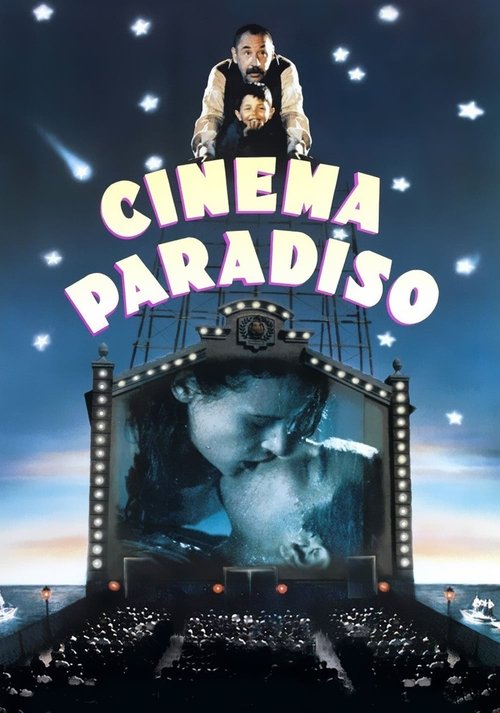
A filmmaker recalls his childhood, when he fell in love with the movies at his village’s theater and formed a deep friendship with the theater’s projectionist.








Where to watch


Drama Serie Review
Giuseppe Tornatore’s *Cinema Paradiso* is more than a mere nostalgia trip; it is a foundational text for anyone who has ever found sanctuary in the flicker of a projector. By framing the narrative through the eyes of Salvatore, a successful but emotionally disconnected filmmaker, Tornatore transforms a simple coming-of-age story into a sweeping meditation on how the art we consume as children shapes the adults we eventually become.
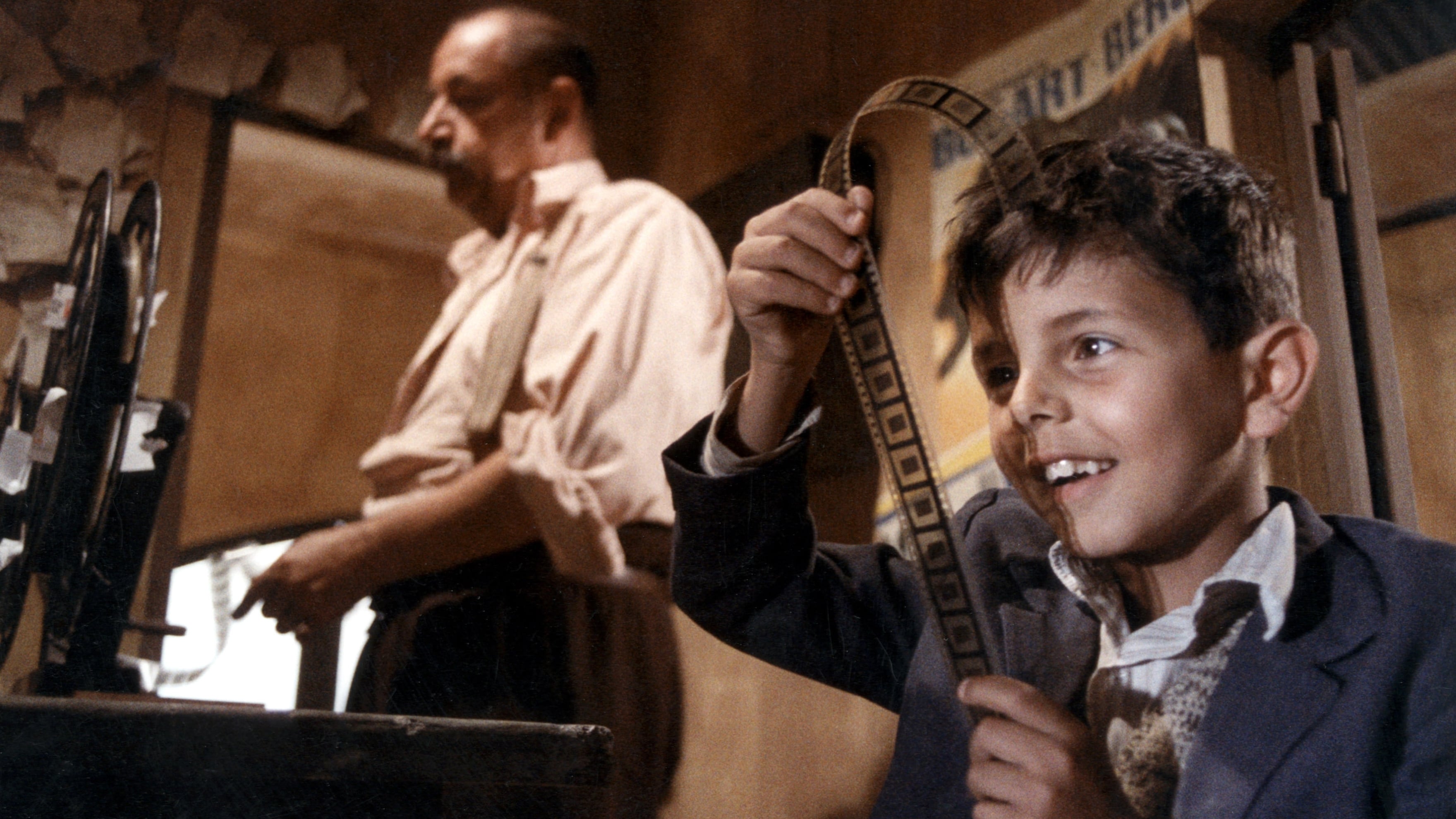
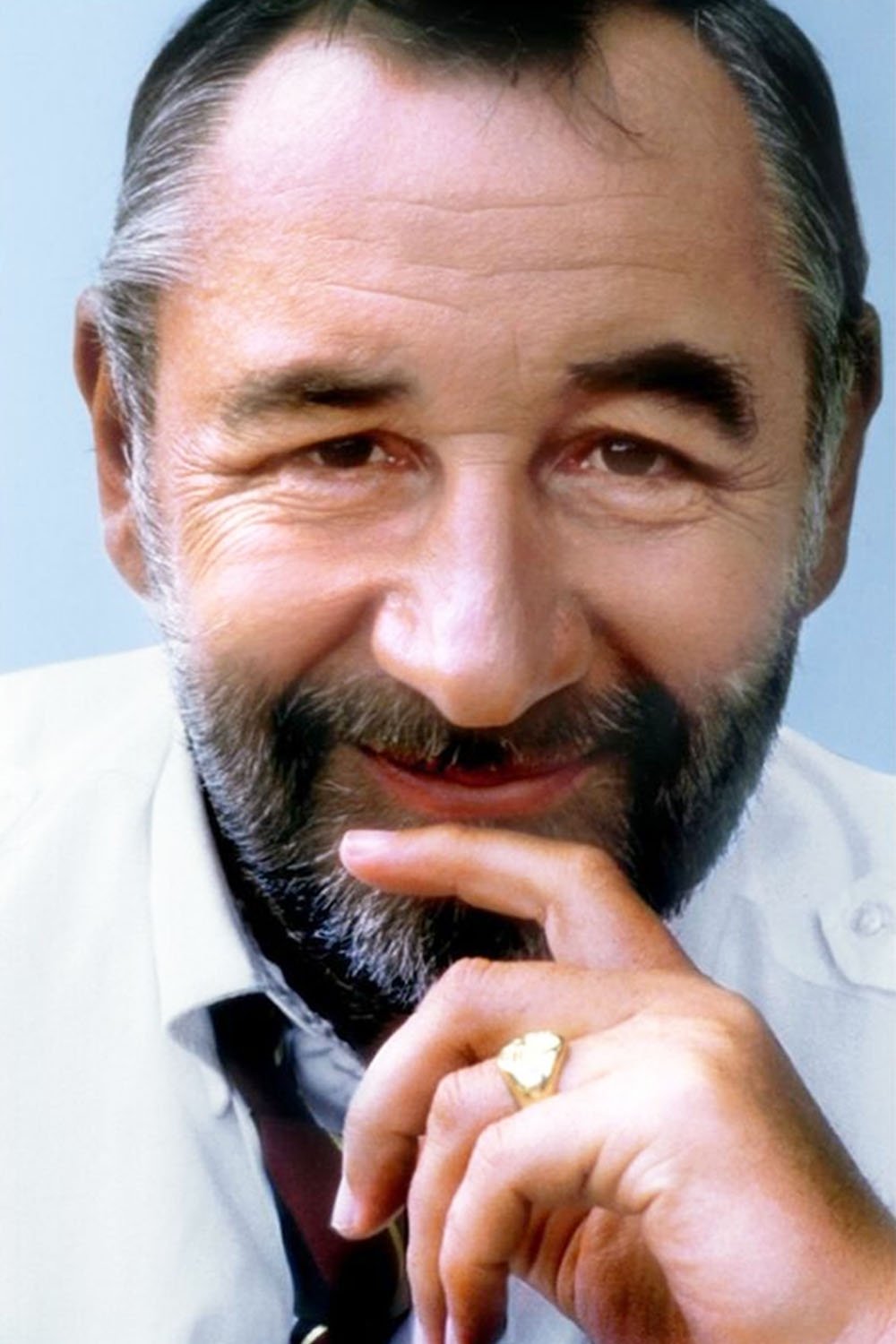
The film’s greatest strength lies in the chemistry between young Salvatore (played with infectious wonder by Salvatore Cascio) and the crusty yet tender Alfredo (Philippe Noiret). Their relationship transcends the typical mentor-protege trope, evolving into a surrogate father-son bond forged in the heat of a cramped projection booth. Noiret delivers a masterclass in understated emotion, conveying a lifetime of wisdom and regret through a single weary glance. The artistic merit is further bolstered by Ennio Morricone’s score, which acts as the film’s heartbeat, swelling with a romanticism that mirrors the golden age of celluloid it seeks to honor.
However, the film is not without its indulgences. The middle chapter, focusing on Salvatore’s adolescent romance with Elena, occasionally veers into overly sentimental territory. While it effectively illustrates the pangs of first love, the pacing slows significantly, and the melodrama can feel slightly manipulative compared to the organic charm of the childhood sequences. Additionally, the theatrical cut’s decision to excise certain subplots regarding Elena’s later life leaves some narrative threads feeling unresolved, though many argue this ambiguity preserves the film’s dreamlike quality.
Ultimately, *Cinema Paradiso* is a triumph of atmospheric storytelling. It captures the specific communal magic of a village theater—where the audience yells at the screen and the priest censors the kisses—reminding us that movies are a shared language. While it occasionally leans too heavily on its own sentimentality, the final sequence remains one of the most powerful tributes to the medium ever filmed. It is essential viewing for those who believe that cinema is not just entertainment, but a way of life.