
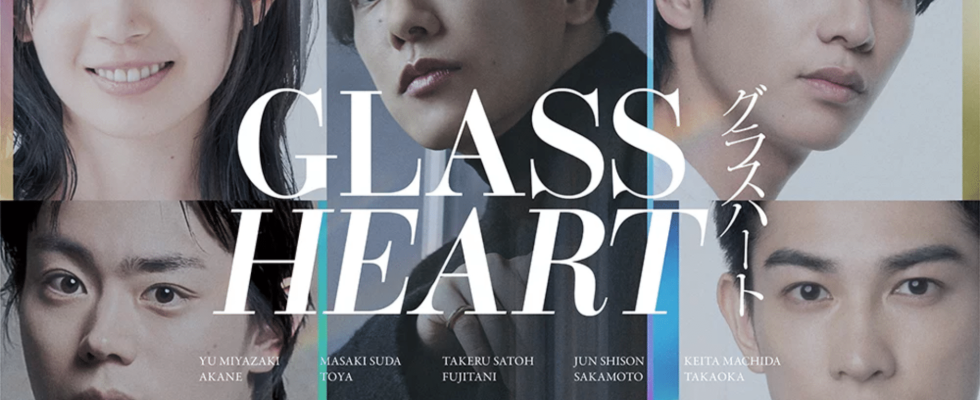
A Heart of Glass: Musical Dreams and Redemption Unveiled
Netflix’s “Glass Heart” emerges as a standout entry in the realm of Japanese doramas, pushing the envelope of storytelling within the musical genre. Adapted from Mio Wakagi’s novel, this series weaves a poignant narrative centered on redemption, artistic ambition, and the sacrifices required to navigate the tumultuous waters of the music industry.
Advertisements
Storyline and Character Evolution
At the heart of the plot is Akane Saijo, a gifted drummer whose aspirations are shattered when she faces unjust expulsion from her band just before their big break. The arrival of Naoki Fujitani, a gifted yet introverted musician, provides a lifeline for Akane as he invites her to join his new band, TENBLANK. This fresh twist on a familiar narrative avoids clichéd tropes, instead delving into the intricate dynamics of the music scene.
What distinguishes “Glass Heart” from its counterparts is its realistic portrayal of the challenges within the music industry. Rather than romanticizing the path to success, it candidly explores the rivalries, pressures, and emotional tolls tied to achieving fame. The ongoing competition between TENBLANK and OVER CHROME, a rival band led by the charismatic Toya Shinzaki, enriches the storyline without resorting to superficial characterizations.
Cinematic Direction and Visual Aesthetics
Helmed by directors Kohtaro Goto and Kensaku Kakimoto, “Glass Heart” sets a new benchmark for musical doramas. The series features exhilarating live performances captured with over 5,000 extras and a sophisticated 12-camera setup, creating an immersive experience that draws viewers into the vibrant world of live music. This impressive scale is a rarity in Japanese television, enhancing the authenticity of the performances.
The cinematography strikes a balance between warm tones during intimate character exchanges and the bright, dynamic lighting of performance scenes. This duality effectively represents the protagonists’ contrasting lives—one personal and the other public.
Actor Performances and Musical Integrity
In his portrayal of Naoki Fujitani, Takeru Satoh showcases a profound range, embodying both musical brilliance and emotional depth. His involvement as an executive co-producer also ensures a unified artistic vision throughout the series.
Yu Miyazaki, as Akane, delivers a compelling performance that balances strength and vulnerability. Her character’s journey toward self-discovery resonates deeply, especially as she grapples with loyalty to her band and her own aspirations. The ensemble cast, featuring talents like Keita Machida and Jun Shison, enhances the authenticity of the band dynamic.
A crucial aspect of the series is the cast’s dedication to musical realism; each lead actor underwent rigorous training on their instruments, resulting in performances that eschew dubbing or post-production tricks.
Musical Score and Soundtrack Insights
The involvement of Yojiro Noda, lead vocalist of the renowned band RADWIMPS, in crafting original songs significantly enhances the series’ musical quality. Tracks like “Crystalline Echo” serve not merely as entertainment but also as narrative devices that articulate the characters’ emotional journeys.
The soundtrack effectively blends modern Japanese rock with experimental sounds, mirroring the innovative spirit of the fictional band TENBLANK. Each musical piece is seamlessly integrated into the storyline, ensuring that the songs feel like an organic part of the narrative rather than isolated performances.
Exploring Themes and Emotional Resonance
“Glass Heart” delves into universal themes through the lens of Japanese musical culture. The exploration of second chances resonates deeply, not just for Akane, but for all members of the band who bear their own burdens and unfulfilled dreams.
Additionally, the series thoughtfully addresses the pressures inherent in the entertainment industry, such as manipulation by influential producers and the personal toll of fame. These elements lend gravity to the narrative while still allowing for moments of levity and genuine human connection.
Key Takeaways
One of the standout qualities of “Glass Heart” is its ability to harmonize grand spectacle with intimate storytelling. The exhilarating performance scenes juxtaposed with introspective moments create a narrative cadence that echoes the series’ musical themes.
The depiction of artistic creativity is particularly well-rendered, portraying both bursts of inspiration and periods of creative stagnation. The series refrains from glorifying the artistic process, instead presenting it as a journey requiring dedication and sacrifice.
Concluding Insights
“Glass Heart” positions itself as a landmark achievement within the Japanese musical genre, merging high-quality production with emotionally resonant storytelling and credible performances. The series appeals to both drama enthusiasts and music lovers, offering a rich, layered experience.
With its thoughtful exploration of the music industry’s challenges and its focus on character development, “Glass Heart” is poised to be one of the standout series of 2025. It celebrates the transformative nature of music while highlighting the resilience of the human spirit amidst adversity.
This series marks a significant milestone in the evolution of musical doramas, demonstrating that mass entertainment can indeed maintain artistic depth and emotional authenticity.